Measured and Quoted on Site
Not off a photo. We come out, look at the ground and the access, and price the actual job.
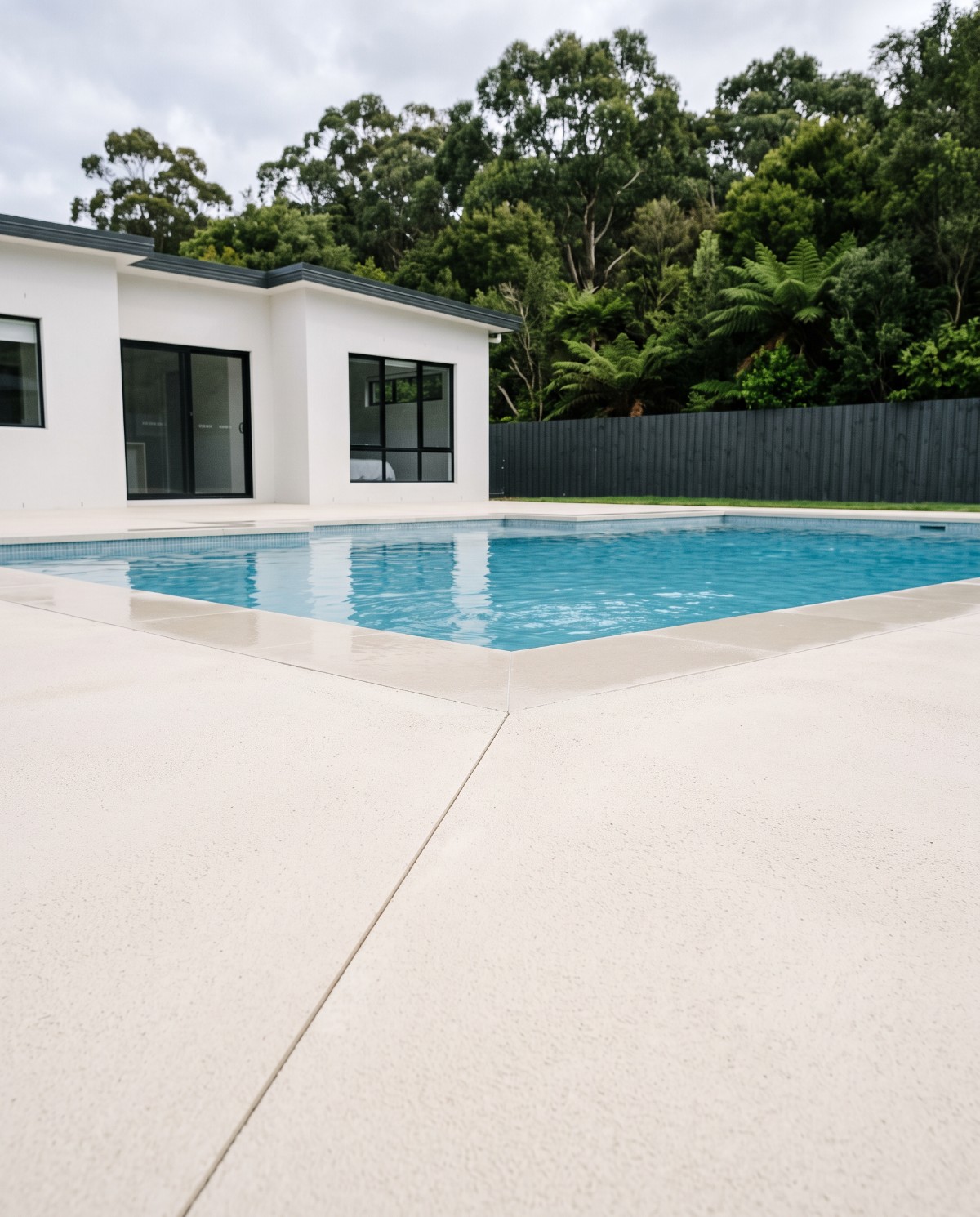
Liquid limestone is the one that stays cool, which is why Launceston pool surrounds are where we lay most of it. It is a poured limestone surface rather than a concrete finish, it is noticeably paler than concrete, and around a pool in February that difference is the entire reason people choose it.
Not off a photo. We come out, look at the ground and the access, and price the actual job.
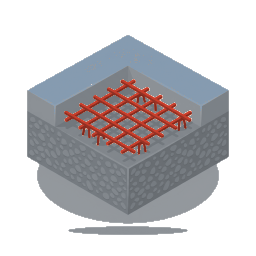
Excavation, a compacted base and reinforcement to spec, the half that decides how long it lasts.

One written price for the whole job, not a rate per square metre, and the site is left clean.
It is not concrete with something added and it is not a paver. It is a limestone-based mix poured and screeded as a continuous surface, which is why it has no joints between units and nothing to lift.
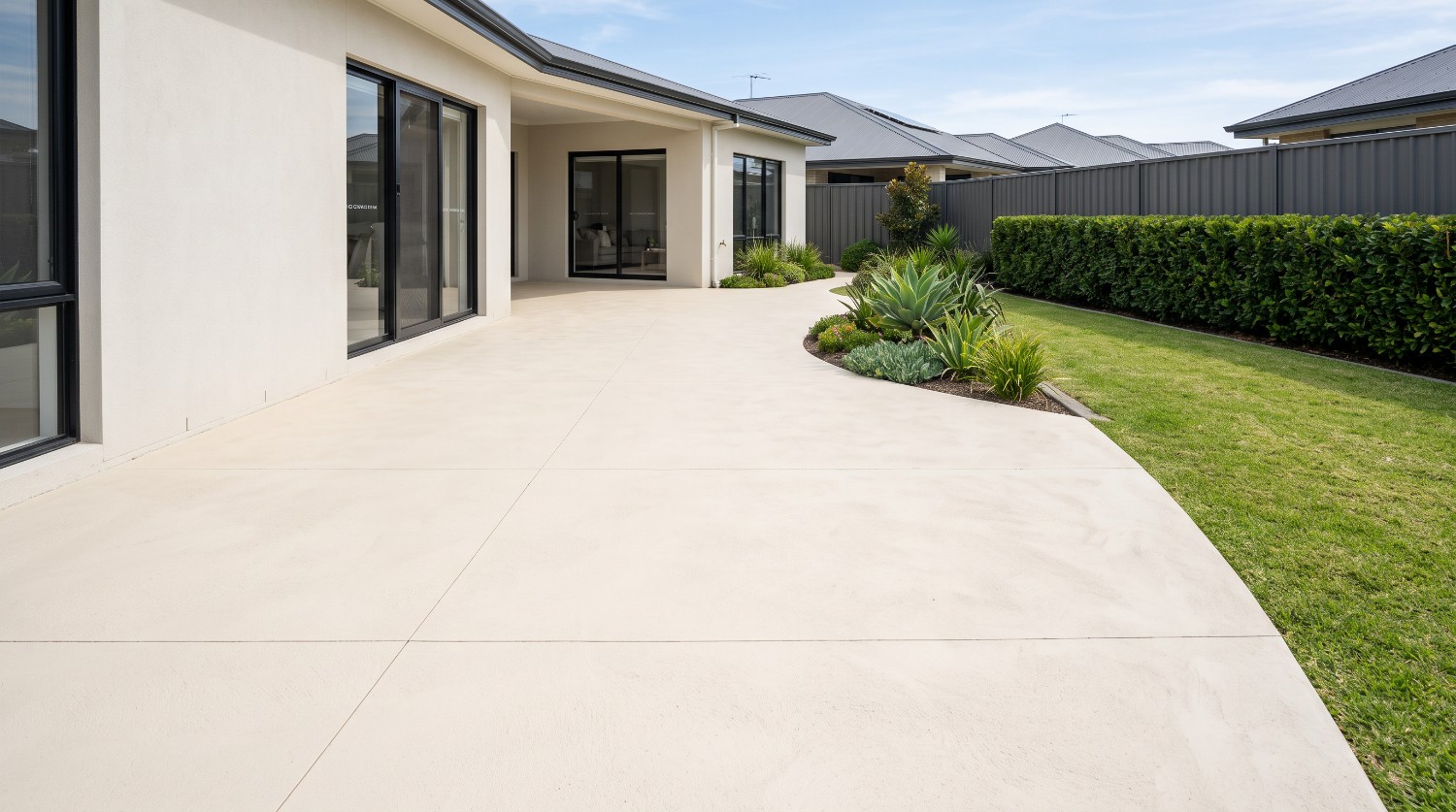
The pale colour comes from the material itself rather than from a pigment, which is why it does not fade and why a chip shows the same tone.
One continuous surface with saw-cut joints rather than hundreds of units with sand between them. Nothing to weed and nothing to lift and trip on.
Paler than concrete before anything is done to it. That is the whole basis of the heat argument below.
A consistent sandy grain that grips wet feet without being harsh to sit on, which is a difficult combination to get any other way.
A dark surface in full Australian sun becomes genuinely painful on bare feet. Colour is the main thing that decides surface temperature, and limestone starts out pale.
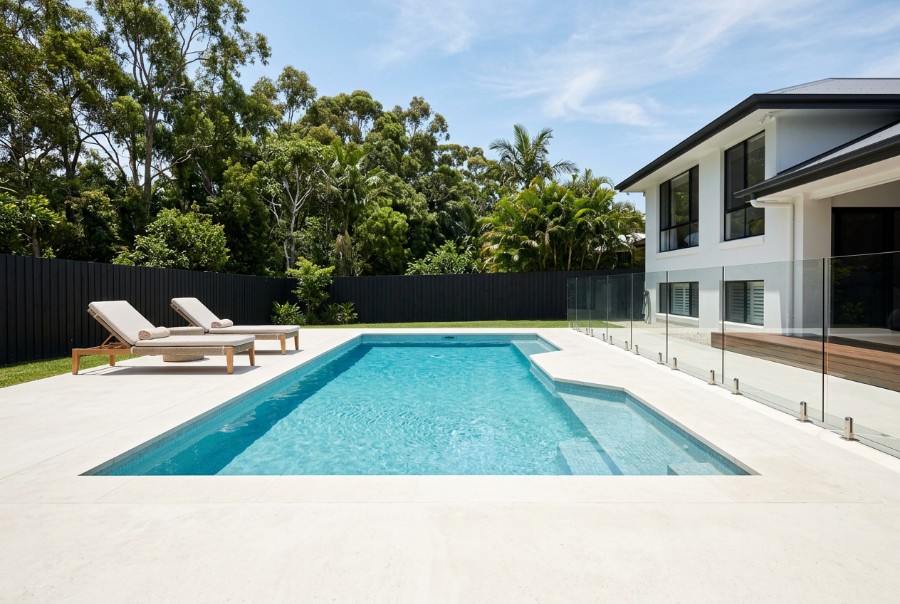
The lighter the surface, the less it absorbs. It is the single biggest lever you have over how hot a paved area gets.
Bare feet, all summer, on the hottest days of the year. There is no other surface argument that matters as much around water.
An entertaining area that catches full afternoon sun is the other place where a dark slab quietly stops being used.
The fine sandy texture holds a wet foot, which matters as much as the temperature does anywhere near water.
Softer than concrete and not built for vehicle loads. Anywhere a car goes, this is the wrong product and we will say so.
Pool surround or a sunny patio? Tell us the area and we will price it against exposed aggregate too.
Liquid limestone is a specialist surface rather than a general one, and the jobs it does well it does better than anything else.
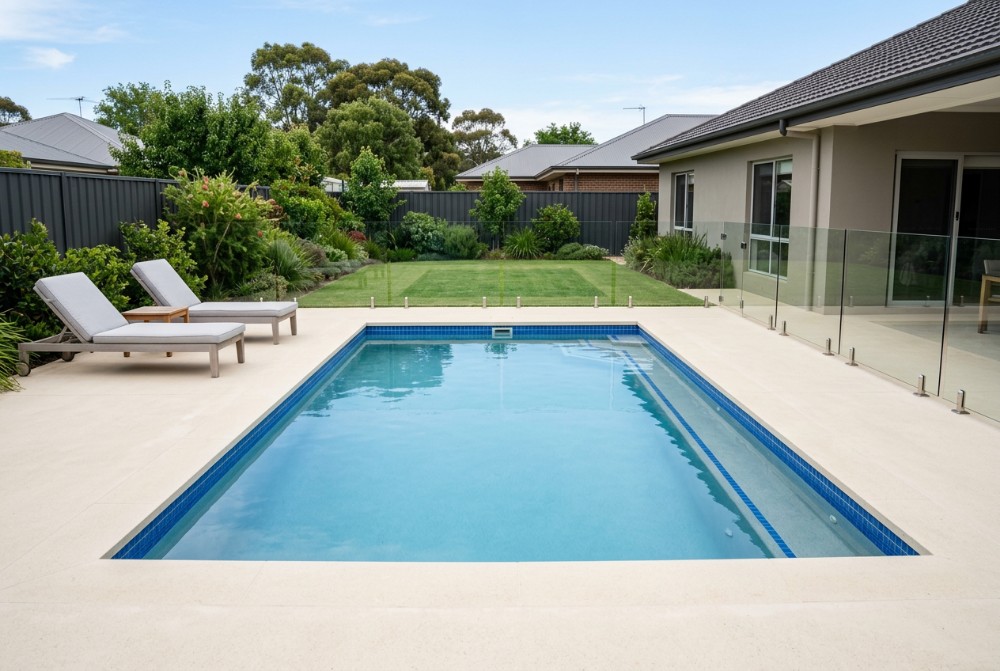
The main use and the strongest case. Cool, grippy, continuous, and pale enough to walk on barefoot at the hottest part of the day.
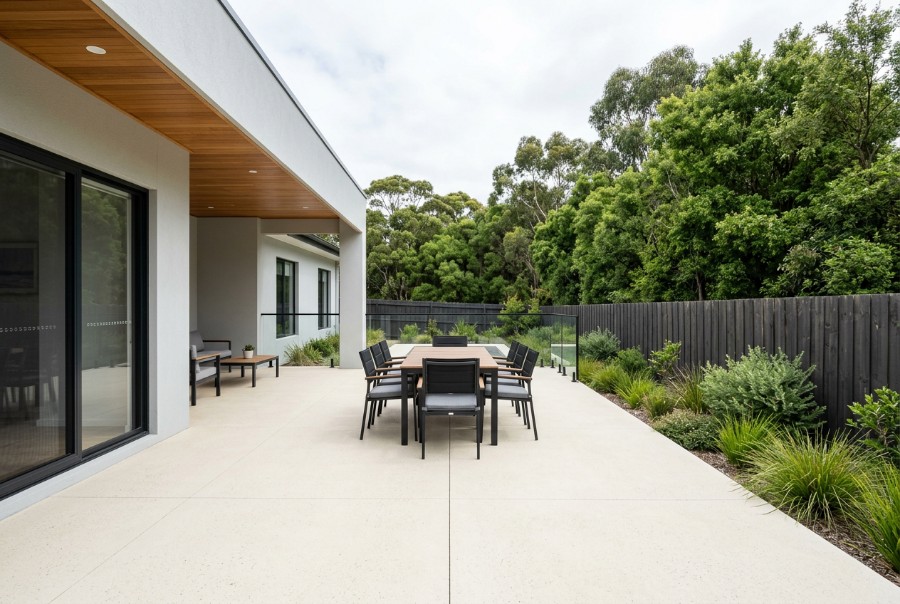
Especially anything that gets full sun. Comfortable underfoot in a way a dark slab never is.
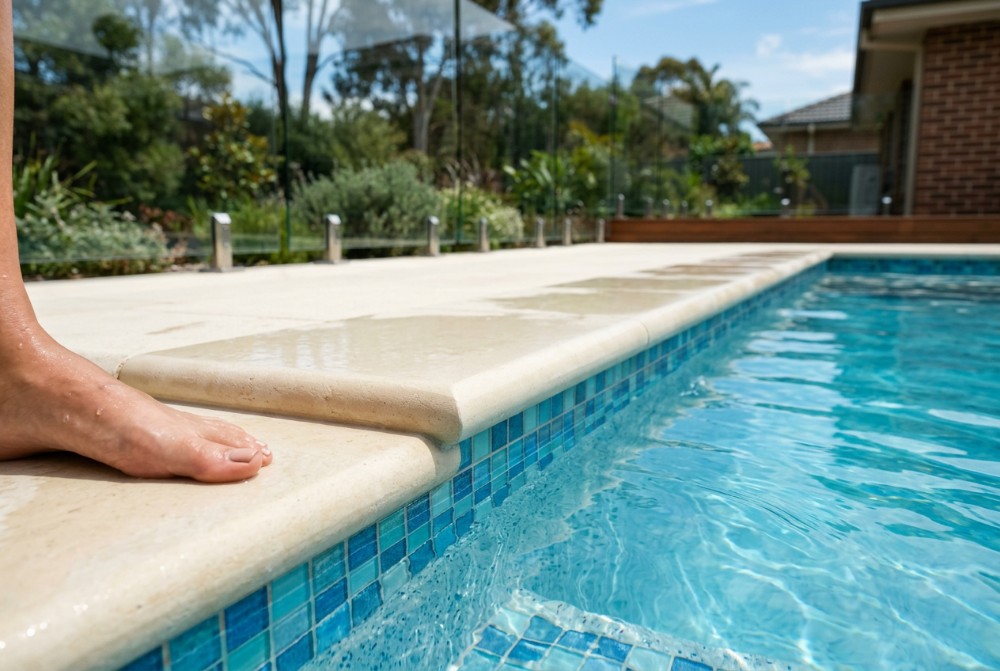
Poured to the coping in one continuous surface, with saw cuts rather than joins between units.
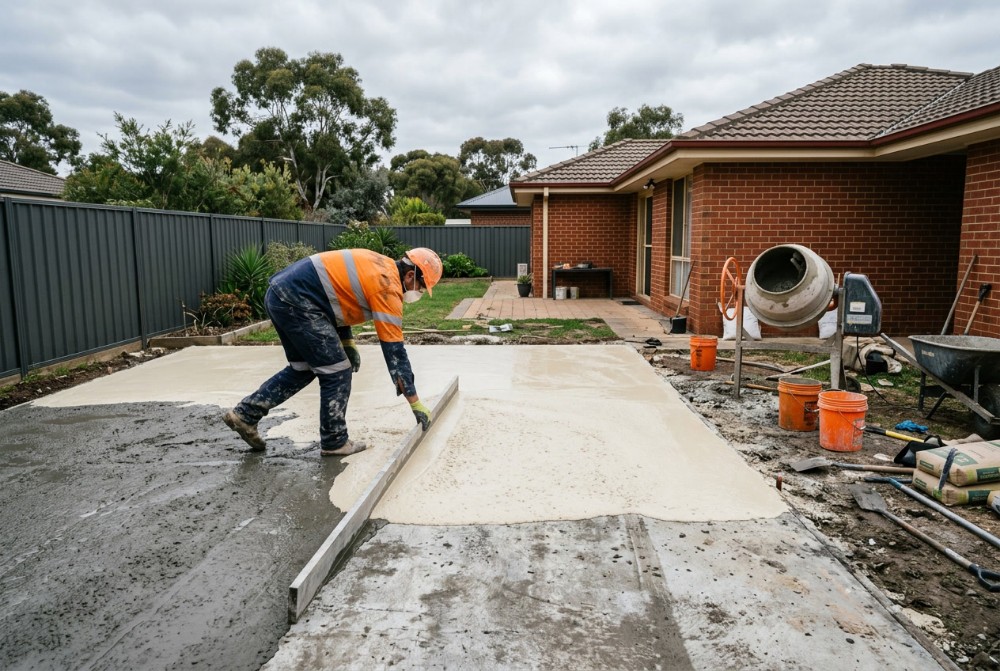
Where it is unusual among the finishes on this site: a sound existing slab can be overlaid rather than broken out.
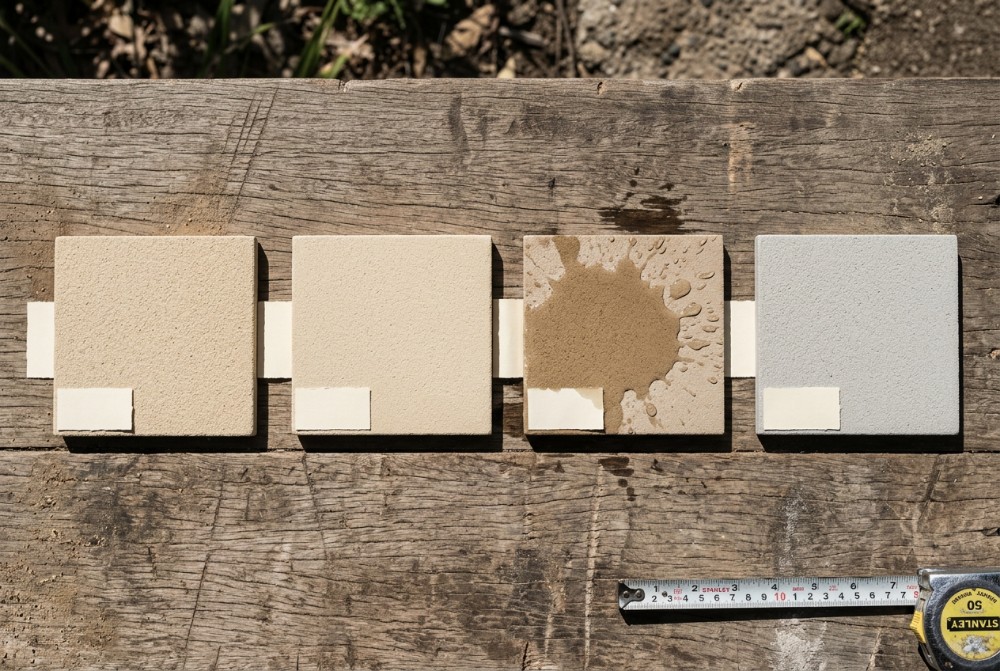
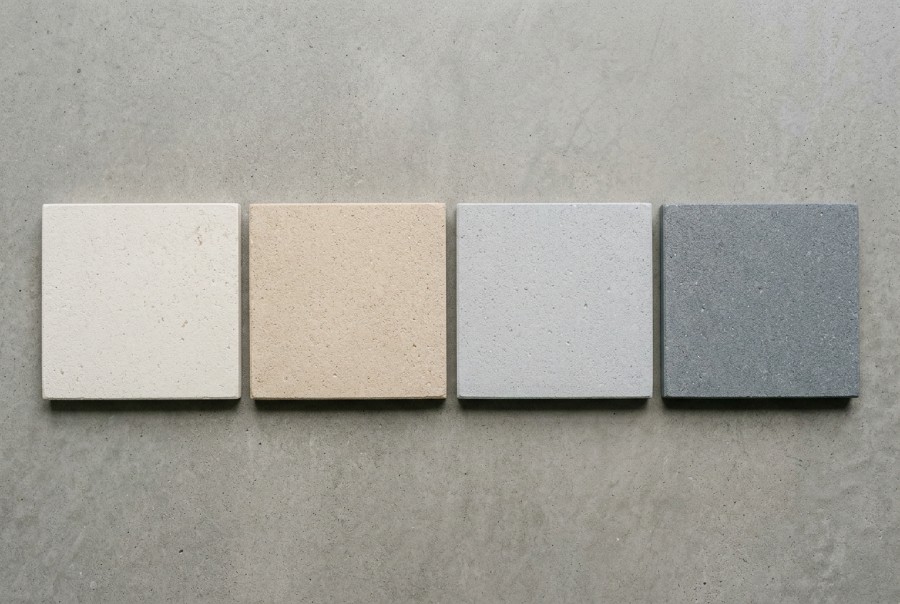
Natural cream through to a light charcoal. The paler the tone, the cooler the surface, which is worth remembering before choosing the darkest one.
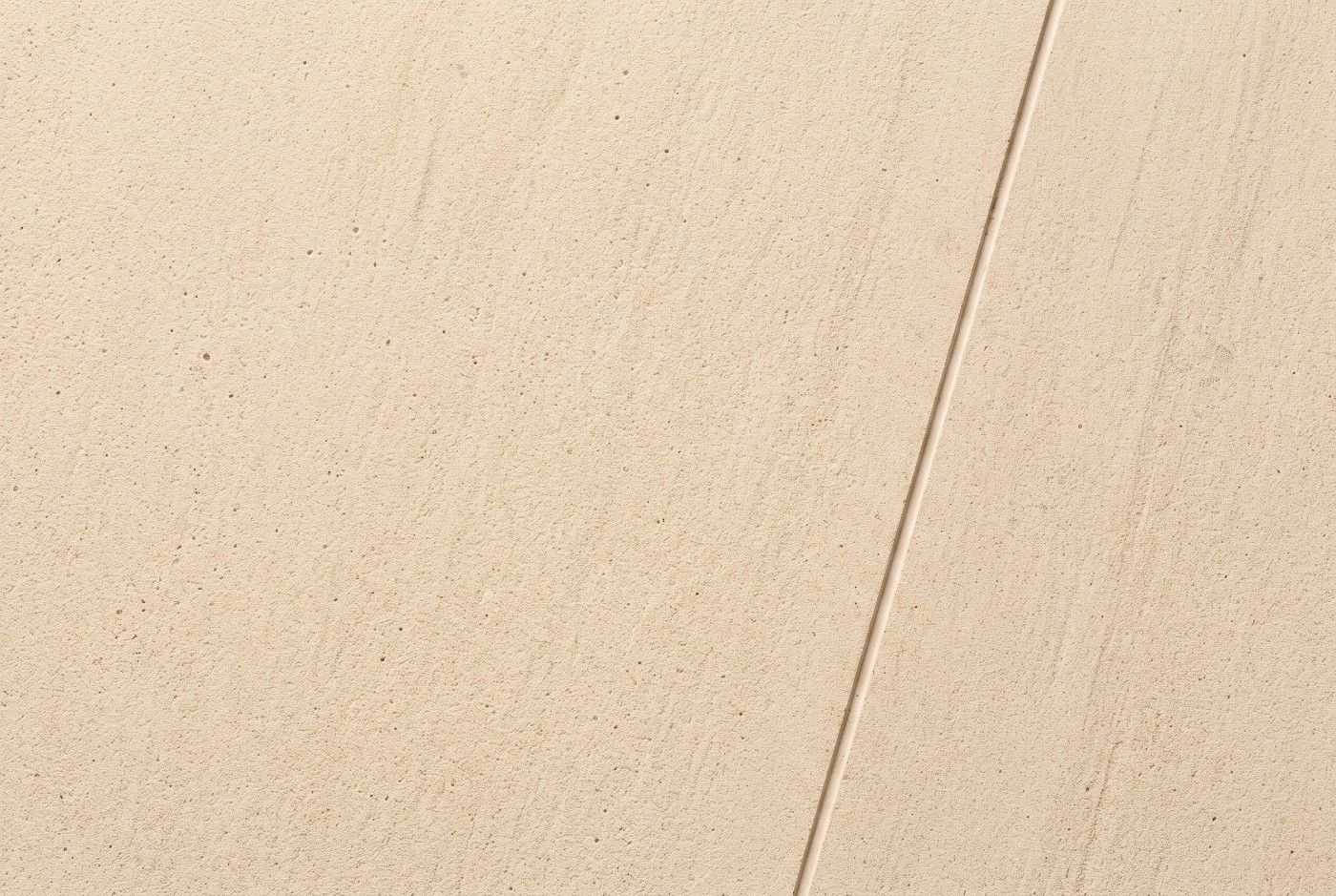
Fine and even. Enough grip for wet feet, gentle enough to sit on.
Ask at the measure and we will show you the real thing in daylight before you choose, because a pale mineral surface reads differently outdoors.
The three surfaces people actually compare around a pool. Read across.
The preparation is most of the work, and it is different depending on whether there is a slab there already.
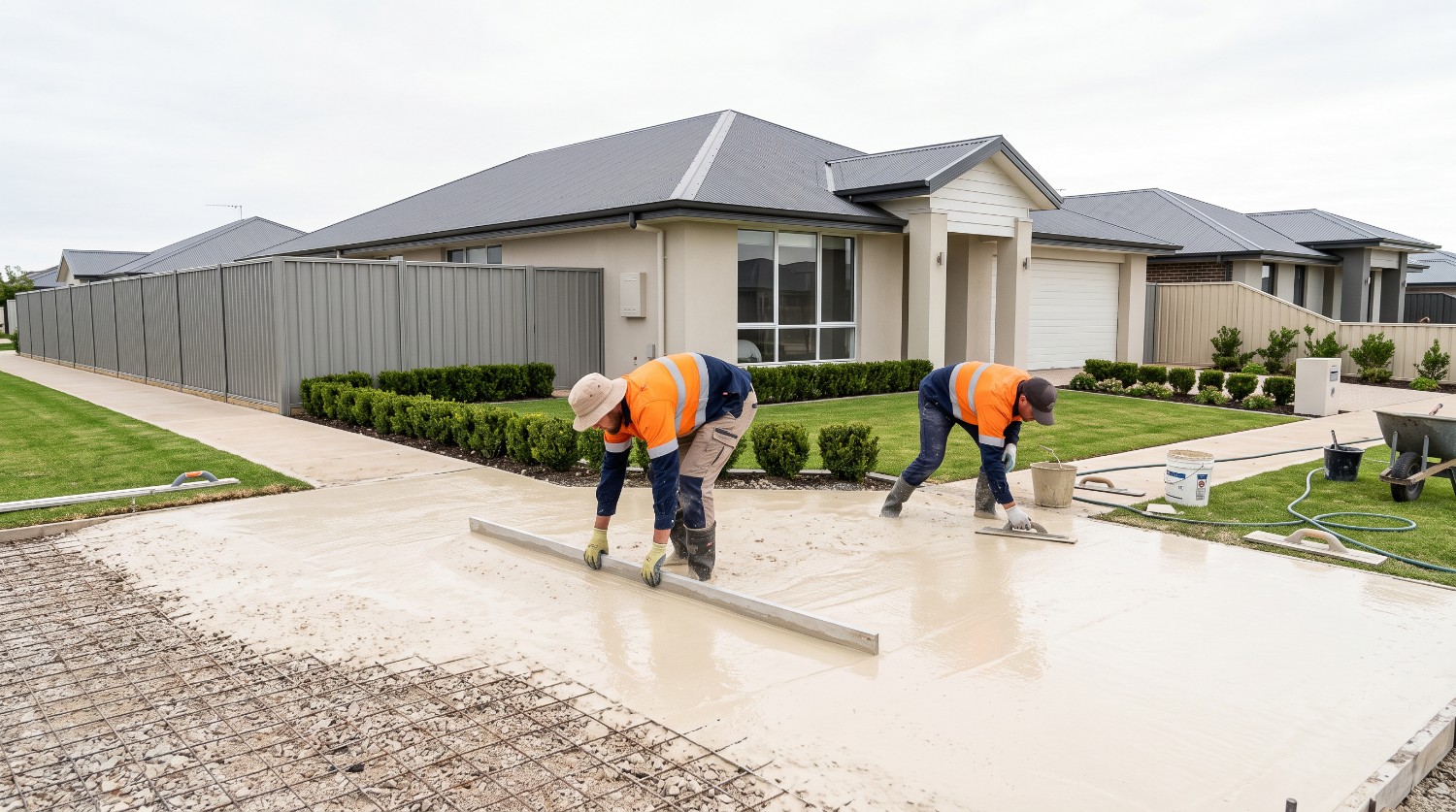
New ground or an existing slab. If it is existing, we check it is sound, stable and free of coatings, because an overlay inherits every problem underneath it.
New work gets excavation, crushed rock and compaction like any slab. An existing slab gets cleaned, ground and primed so the overlay bonds properly.
Falls set before anything is poured, running away from the pool and away from the house, because you cannot correct it afterwards.
The mix is placed and screeded to a fine, even surface in one continuous operation so there are no cold joints across the middle of it.
Control joints cut early so it cracks on a line we chose, then cured and sealed. Sealing is part of the job here rather than optional.
It is a beautiful surface that wants a little looking after, and it is better to know what before it is poured than after.
Ask at the measure and we will show you a sealed sample in daylight before you choose.
Installed, per square metre. It sits above plain concrete and around the level of a good decorative finish.
Worked examples at real sizes, so you can see roughly where your job sits before you call. The same pool surround is priced three ways, because liquid limestone is the dearest of the three and not everyone wants to spend there. These are indicative ranges only. Final pricing depends on site conditions and finish requirements, which is what the free measure settles.
 Top of the Range
The full job: surround, coping, drainage falls, saw cut joints and the slip-resistant seal
 Exposed Aggregate
Barefoot friendly and hard wearing, 50m² at our exposed rate
 Plain Concrete
The cheapest way to get a safe, tidy surround down, 50m² at our plain rate
Patio30m² at our liquid limestone rate
Alfresco40m² at our liquid limestone rate
Lowest Cost20m² at our liquid limestone rate
Liquid limestone usually sits above plain concrete and around the level of a good decorative finish. What moves it most is what is underneath.
Overlaying a sound slab is much less work than excavating, basing and pouring from scratch. It is the biggest single variable on this page.
An old sealer, tile glue or a painted coating all have to be ground off before an overlay will bond. That preparation is slow work.
Open runs are efficient. A pool surround with steps, a spa and curves is mostly edge, and the edges take the time.
The natural creams are standard. Tinted tones cost a little more, and the darker you go the more you give away of the reason you chose it.
Part of the job rather than an extra, and the product matters. Ask what is being used and how often it needs redoing.
It is mixed and placed on site, so a back yard reached through a narrow side gate is a different job from one a truck can get near.
Tell us the area and whether there is a slab there already, that one answer changes the job completely. The measure and the written price are free.
Would rather talk it through? (03) 6724 3698, or send the details through the contact page.
Plus the wider Launceston area. See every suburb we cover.
Yes, noticeably, and that is the main reason people choose it. It is naturally paler than concrete before any colour is added, and surface colour is the biggest factor in how hot a paved area gets. Around a pool in summer it is the difference between walking across it and hopping.
Often yes, and it is one of its real advantages. The slab has to be sound, stable and free of coatings, and it gets cleaned, ground and primed first so the overlay bonds. An overlay inherits whatever is underneath it, so if the slab is cracked or moving we will say so rather than cover it up.
No, the fine sandy texture grips a wet foot well, which is why it suits pool surrounds. It does need a grip additive in the sealer, because a gloss sealer on any wet surface is a hazard regardless of what is underneath it.
Yes, and unlike exposed aggregate this one is not optional. It is a pale porous mineral surface, so it stains without a sealer. The sealer wears where people walk and wants redoing every few years.
No. It is softer than concrete and it is not built for vehicle loads. For a driveway or anywhere a car crosses, exposed aggregate or plain concrete is the right answer and we will tell you so rather than take the job.
It moves like any poured surface, so control joints are cut early to decide where. Over an existing slab it will also follow any movement in that slab, which is exactly why we check the substrate before quoting an overlay.
One call and we come out, measure the real thing and put a price in writing. It costs nothing and there is no salesman in it.
One call. We measure it and put a fixed price in writing. Costs nothing.
Would rather type it out? Send the details instead