Steel Rusts, and Rust Takes up More Room
Reinforcing bar expands as it corrodes, up to several times its original volume, and it pushes the concrete off the top of it. That is the whole mechanism.
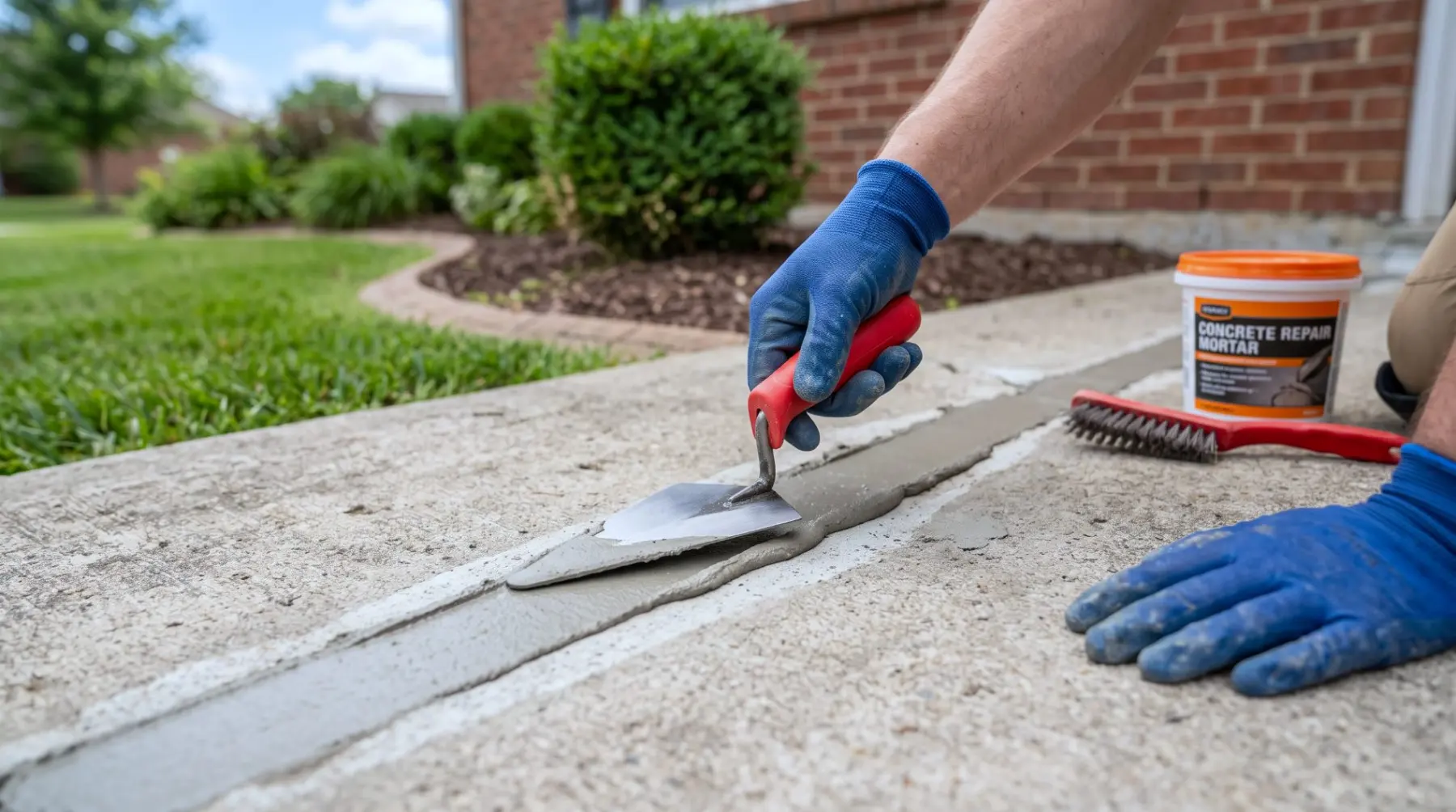
Some Launceston concrete is worth repairing and some is not, and the difference is not how bad it looks. It is what caused the damage. Fix the surface and leave the cause, and you are paying twice for the same crack.
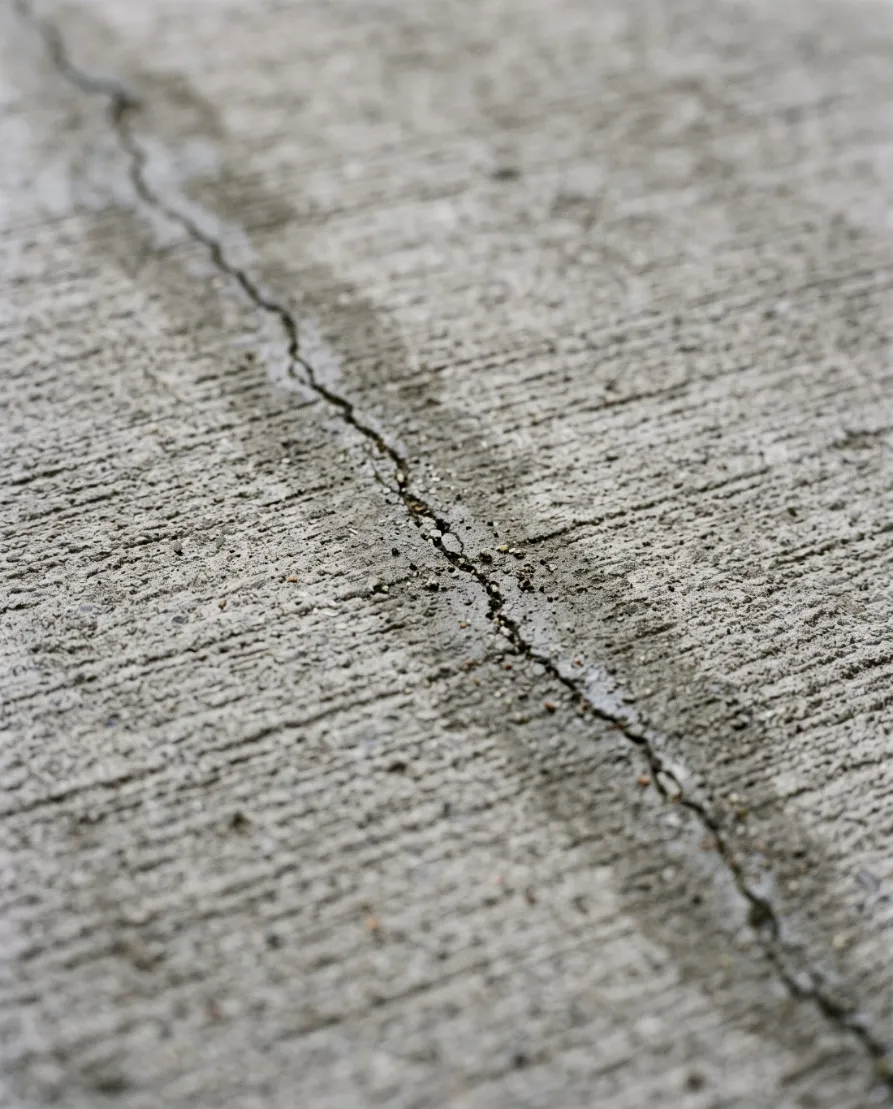
Nearly every question about concrete repair comes down to this one, and you can usually answer it yourself in about a minute.
Concrete shrinks as it cures and it cracks somewhere while it does. If the sides are level with each other and it is not growing, this is cosmetic.
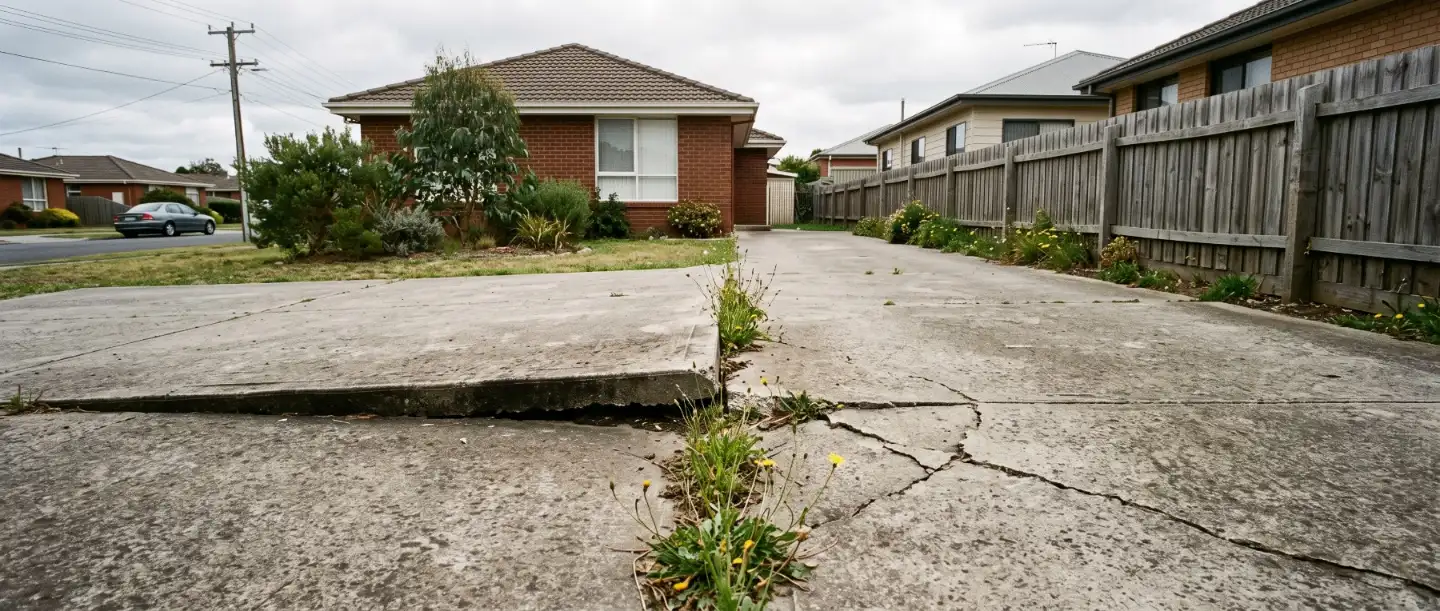
One side sitting higher than the other means something underneath has moved. The crack is the symptom. Filling it changes nothing.
A repaired crack that reopens in the same place is telling you the cause was never addressed. Usually the base, sometimes drainage, occasionally a tree.
A tapering crack is a slab rotating, not shrinking. That is a base problem and it is the one people most often patch and regret.
Surface flaking away in sheets or patches. Different cause, different fix, and it has its own section further down.
We do repairs and we would still rather tell you not to. A patched slab that fails again in two years costs you the repair and the replacement.
These are not interchangeable, and matching the repair to the fault is most of the job. The rest is doing it properly.
The crack is cut out square along its length so the filler has something to key into, then filled with a flexible polyurethane or an epoxy mortar depending on whether the crack still moves. Filling an unrouted crack is why most DIY repairs fail. There is nothing for the material to hold onto.
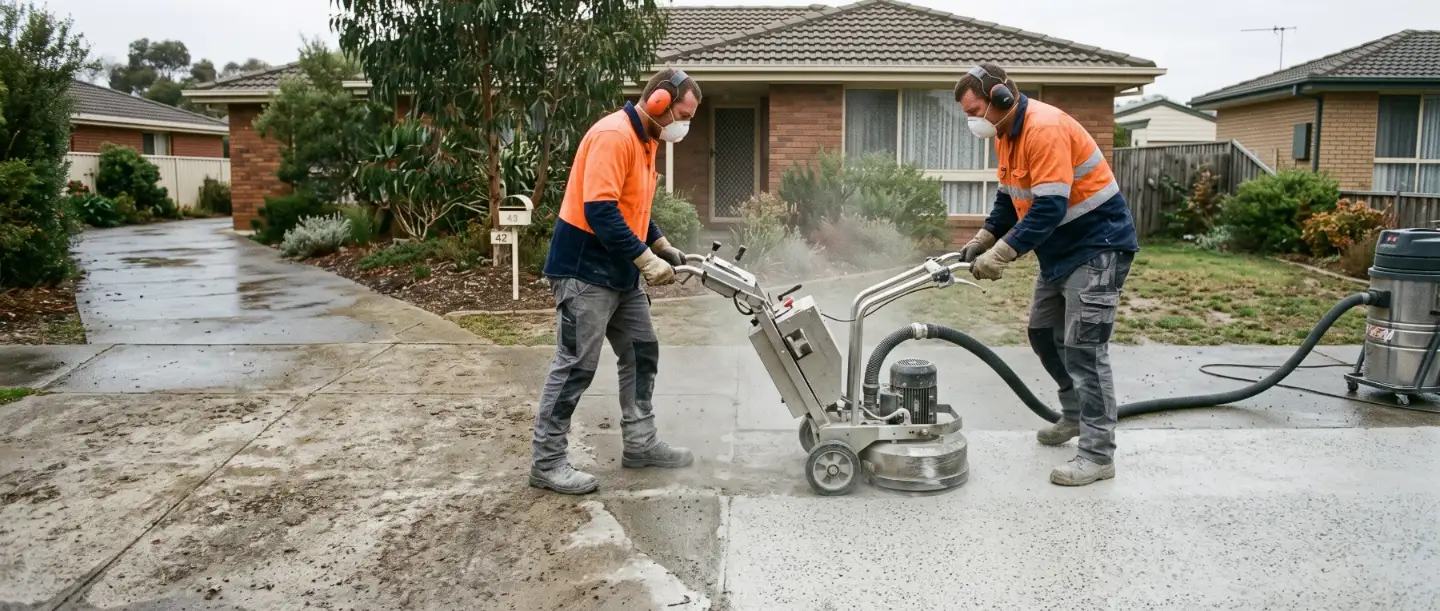
For spalling, trowel marks, lifted surface and general wear. The damaged layer is ground off and the area is patched and blended. It changes the surface, not the structure, and on a sound slab it is very good value.
One panel saw-cut out to the joints, the base repaired underneath, and a new section poured to match. The right answer when the damage is real but local, and the joint lines hide the seam.
The spalled concrete cut back past the rust, the steel cleaned and treated or replaced, then rebuilt with a repair mortar. It is slow and it is the only repair on this list that fixes a problem which gets worse on its own.
Once we have looked at your slab it is usually clear which of these four it needs. Most of the time the answer is cheaper than people expect. Sometimes the answer is that it is not worth repairing, and that is worth knowing too.
Not sure which one yours needs? Send us a photo and we will tell you, before anyone comes out.
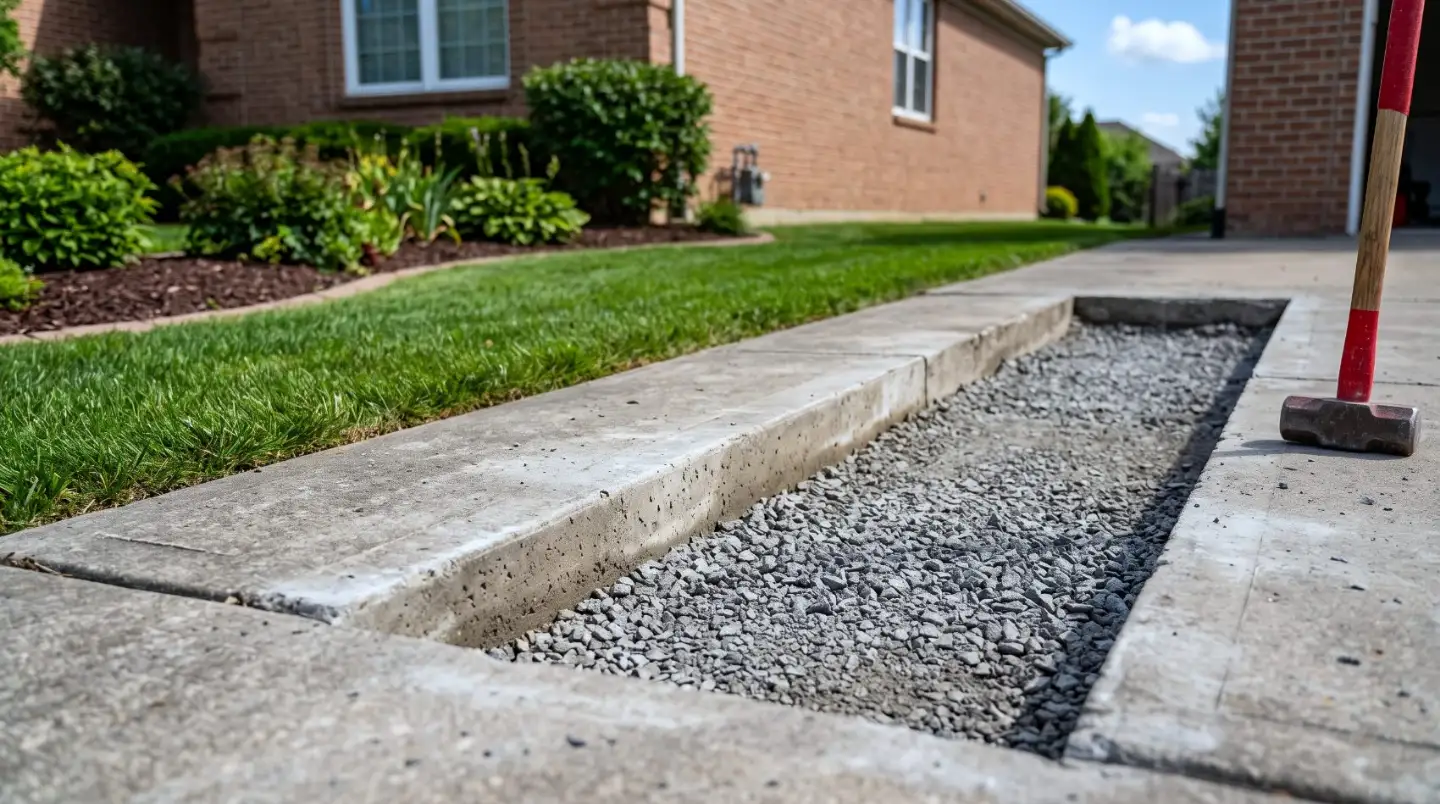
There is a point where repairing costs more than replacing and lasts a fraction as long, and a good concreter tells you where that point is rather than selling you another patch. If your slab is at it, we will say so, and we will price the replacement so you can compare the two properly. Breaking out and starting again is not a failure of the repair. It is the honest answer to a slab that has run out.
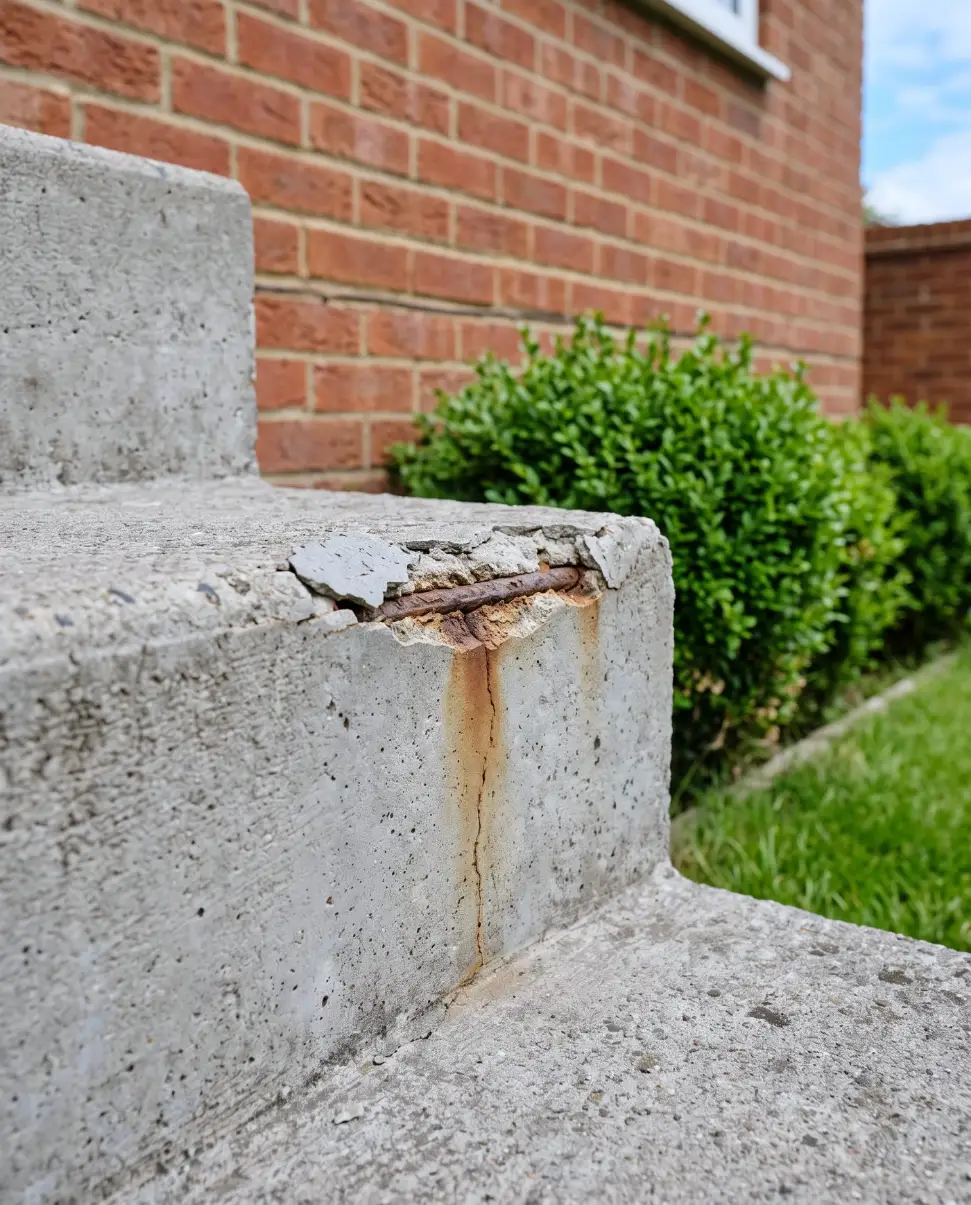
Every other fault on this page sits still while you think about it. This one does not. The steel inside keeps rusting and keeps pushing more concrete off, so it is always worse next year than it is today. It also looks like ordinary surface damage, which is why it gets left alone until it is expensive.
Reinforcing bar expands as it corrodes, up to several times its original volume, and it pushes the concrete off the top of it. That is the whole mechanism.
A crack, a failed seal, insufficient cover over the steel. Anywhere water reaches the bar and stays, this begins.
Brown streaks running down a wall or a balcony edge, before anything has flaked off. That is the time to deal with it.
Unlike a shrinkage crack, this is a reaction that keeps going. Every month of waiting is more concrete to cut out.
Sealing rust in with a cosmetic patch traps the moisture against the bar. We have cut out repairs that did exactly that.
If that is what you are looking at, it gets worse and more expensive every month. Worth a call today.
The questions we actually ask, and what each answer usually means. Read across.
Most repairs are a day or less on site. The looking is the part that decides whether the rest of it is worth doing at all.
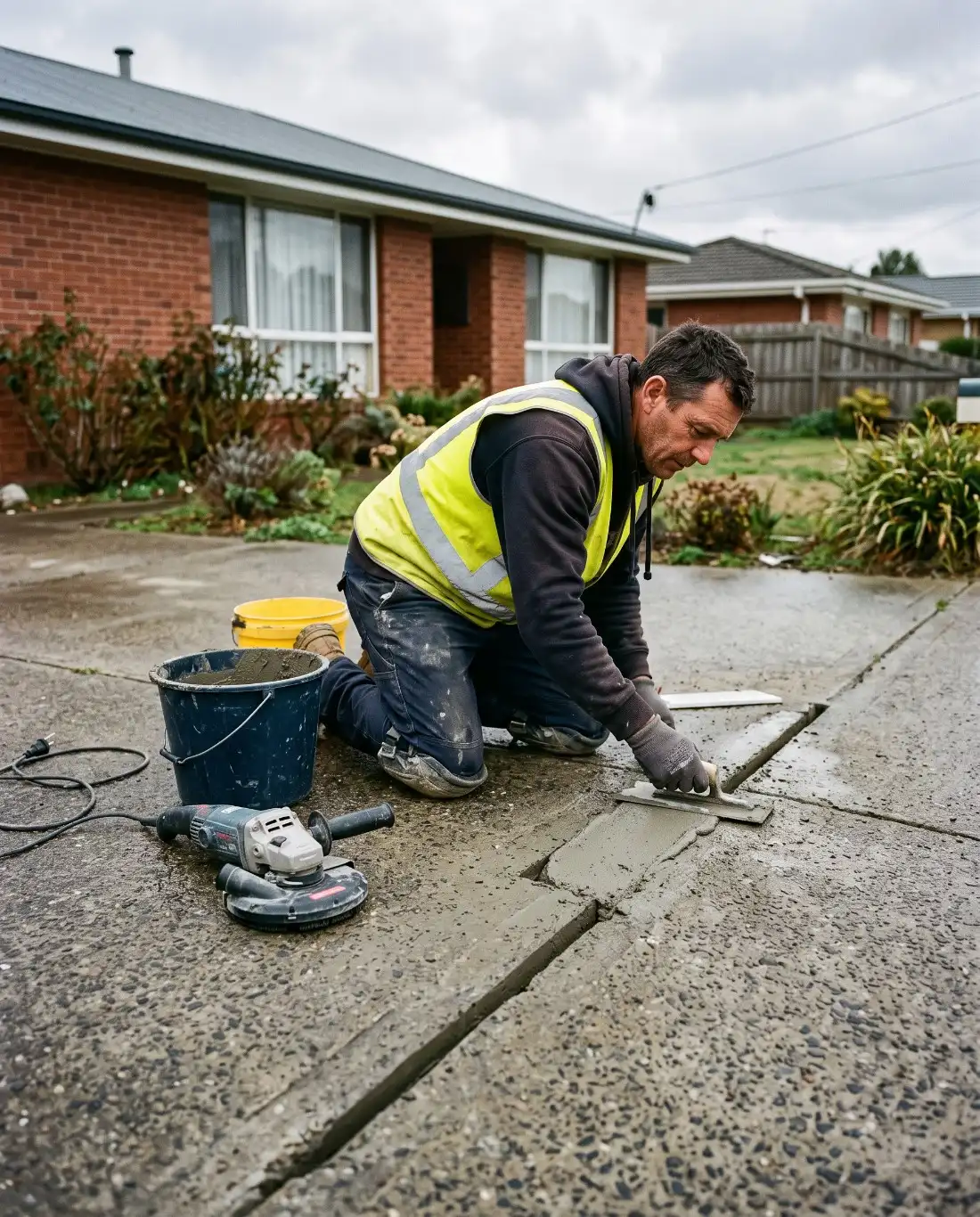
Not from a photo alone. We check for movement, sound the slab for voids, look at the drainage and find out what caused it.
Written, including the replace option where that is genuinely the better buy, so you can compare the two rather than guess.
Cracks routed square, spalling ground back, rust cut past and treated. Preparation is where a repair is won or lost.
The right material for the fault, flexible where it still moves, rigid where it does not, a fresh section where the damage has gone too far.
Textured to match what is around it as closely as concrete allows, sealed where that helps, and the mess taken away with us.
Repairs vary more than new work does, so they are priced job by job. A crack in a sound slab and concrete cancer in a balcony are not the same trade.
Routing and filling a crack is a different job from cutting out rusted steel. The diagnosis sets the price more than the size does.
Metres of crack, square metres of spalling, or panels to replace. Mobilising to site costs the same whether it is one metre or twenty, so small jobs cost more per metre.
A crack caused by a downpipe discharging under the slab is two jobs. Fixing the concrete without fixing that is money thrown away.
A repair in a back yard path and a repair across the middle of a front driveway are held to different standards. Matching costs time.
Getting a grinder, a saw and a bag of mortar to a back courtyard through a house is a real part of a small job's cost.
Occasionally cutting into a repair shows the problem is bigger than it looked. We stop and tell you before spending your money on it.
If a repair is not the right buy we will tell you at the quote rather than after the invoice, and we will price the replacement alongside it so the comparison is yours to make.
Usually not. Concrete shrinks as it cures and almost every slab cracks somewhere while it does. If the crack is under about two millimetres, the sides are level with each other and it is not getting wider, it is cosmetic. The ones worth looking at are cracks with a step across them, cracks that keep reopening, and any crack with rust staining near it.
It depends on what caused the damage rather than how bad it looks. If the slab is sound and stable, cracks and spalling repair very well. If it moves underfoot, cracks in a network across the whole area, or is thinner than the job needs, a repair buys you months. We check for movement on site and tell you which one you have, including when replacing is the better buy.
Reinforcing steel inside the concrete rusting, expanding as it does, and pushing the concrete off from the inside. It shows first as rust staining, then as concrete flaking away to expose the bar. It is the one concrete fault that keeps getting worse on its own, so it is worth dealing with early. Patching over it traps the moisture and makes it worse.
Two common reasons. Either the crack was filled without being routed out first, so the material had nothing to key into, or the thing that caused the crack is still there, usually ground movement under the slab or water going somewhere it should not. A repair that addresses only the crack and not the cause will reopen in the same line.
Close, and not invisible. New concrete never matches old exactly, because the old has weathered and the new has not, and colour continues to change for weeks. We match the texture and finish as closely as concrete allows and place cuts on joint lines where we can. Anyone promising an invisible repair is overselling it.
Yes, and we will tell you honestly when a small repair is not worth the callout. Getting to site costs the same for one metre of crack as for twenty, so very small jobs cost more per metre. If you have several things that need doing, it is worth putting them in one visit.
Most concrete repair questions are settled by two photographs, one close up of the damage and one standing back so we can see the whole slab. We will tell you what it is and whether it is worth repairing.
One call and we come out, measure the real thing and put a price in writing. It costs nothing and there is no salesman in it.
One call. We measure it and put a fixed price in writing. Costs nothing.
Would rather type it out? Send the details instead