


Light Etch
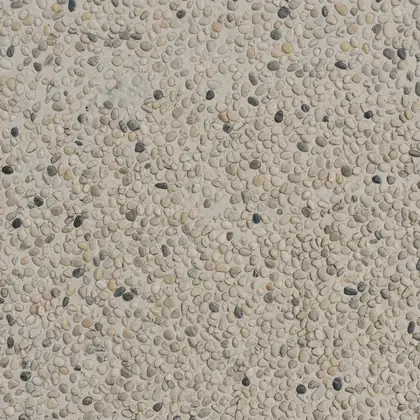
Barely washed. You see the top of the stone through a thin skin of cement, and the surface reads as speckled concrete rather than a stone one. Smoothest underfoot, least grip, easiest to keep looking clean.
The stone you choose changes more than the colour does. It decides whether the surface grips on a wet slope, whether it is comfortable in bare feet, and how it looks after a Launceston winter. Here is what actually changes, so you can pick it on purpose rather than off a photo.
People come to us with a colour in mind and leave having changed the stone. The stone decides how the surface feels underfoot, how much grip it has, how well it hides a stain and what it costs. The colour sits on top of that.
Three things change independently. Size is how big the stone is. Exposure is how far the cement is washed back off the top of it. Blend is which stone, and therefore the colour. The same blend at two sizes will not look like the same driveway.
Aggregate comes in a handful of sizes and they are not interchangeable. The drawing below is to scale, so you can see the difference before you stand on it.
Drawn to scale, not photographed. A 20mm stone is roughly three times the width of a 7mm one, which is why the two feel nothing alike.
Smooth enough to walk on barefoot and the easiest to keep clean, because there is less depth for grit to sit in. It is the one to use around a pool or on a patio. It shows a stain more readily than the bigger sizes, simply because there is more cement on show.
The default for a driveway and the size most of our jobs are poured in. Enough texture to grip a wet slope, not so much that it is unpleasant underfoot or hard to sweep. If you are not sure, start here.
The stone reads as individual stones rather than a texture. It suits a long driveway where a finer blend would look flat from a distance. It is harder work to sweep and a dropped earring is gone.
Big rounded stone with real cement showing between it. It looks deliberate in an entry strip or a border, and it is tiring underfoot across a whole driveway. Very few residential jobs are poured entirely in it.
Size and exposure decide how the surface behaves. Which stone decides what it looks like. These are the five families we pour most often in Launceston, and each one is a different answer.
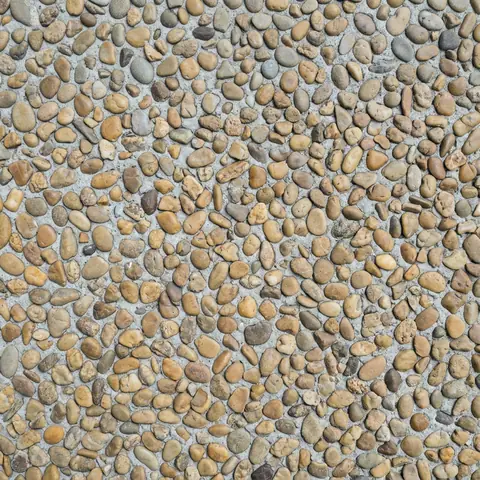
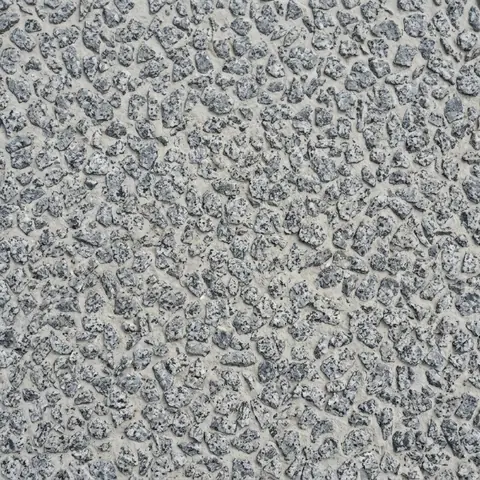
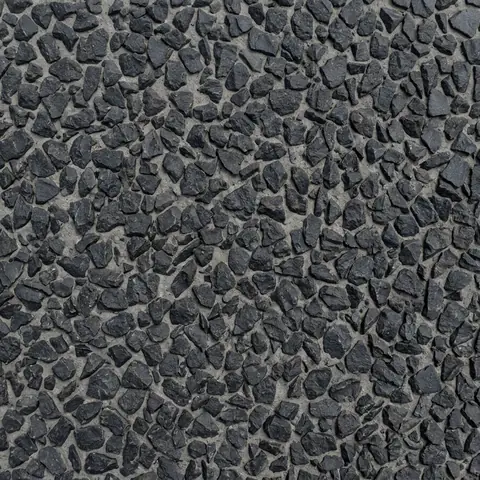
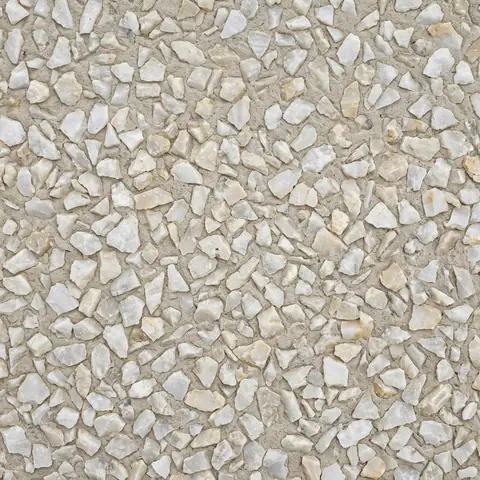
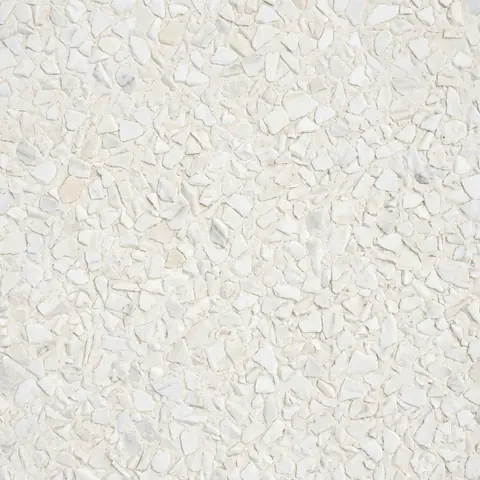
Surface references, not photographs of finished jobs. Stone from the same family varies between loads, and we bring physical samples to the measure so you choose off the real thing.
Stone is one way to finish concrete. These are the other finishes we pour, sorted by where they go.
Exposed aggregate is ordinary concrete with the cement washed off the top while it is still green. How long we leave it before washing decides how much stone you end up looking at, and it is judged on the day, on your slab.
Barely washed. You see the top of the stone through a thin skin of cement, and the surface reads as speckled concrete rather than a stone one. Smoothest underfoot, least grip, easiest to keep looking clean.
The top third of each stone stands clear. This is what most people picture when they say exposed aggregate, and it is what we pour unless you ask otherwise. It grips, it hides marks, and it still sweeps.
Washed back until the stone stands well proud and the cement sits down between. Maximum grip and maximum texture. The right answer on a steep drive and the wrong one on a patio you walk on barefoot.
This is the part that cannot be chosen off a screen. What we can do is show you a light etch and a deep wash on the same blend at the measure, so you are picking between two things you have actually held.
The same surface is a good answer in one place and a poor one three metres away. Nearly every regret we hear about is a surface chosen for how it looked rather than where it was going.
Most of what is written about exposed aggregate online is written for Perth or Queensland. Launceston is colder and wetter, and a couple of things behave differently here.
Size and exposure decide how the surface behaves. Only then is it worth looking at which blend, because a blend you love at 7mm is a different surface at 14mm.

Sixty-two blends across exposed aggregate, honed, polished and liquid limestone. See the colour range.

The method, what it costs in Launceston and where it suits. Exposed aggregate.

Honed is the same stone ground flat instead of washed back. Honed concrete.

Sizes, costs and what moves the number. Concrete driveways.
Tell us the area and where it is going, a driveway, a path, around a pool. We come out, measure it properly and bring samples so you can see the stone before you commit. The written price is free either way.
Would rather talk it through? (03) 6724 3698, or send the details through the contact page.
Plus the wider Launceston area.
10mm for most Launceston driveways. It grips when wet, it is comfortable to walk on and it sweeps. Go to 14mm if the drive is long and you want the stone to read from a distance, and down to 7mm if the same concrete continues to a patio or a pool surround.
Not by much on its own. What moves the price is the blend you choose and the total area, not the stone size. We will tell you at the measure if the size you are after changes the number.
Yes, and it often makes sense. A fine blend around the pool and a 10mm on the driveway is a common split. It means separate pours, so it is worth raising at the measure rather than on the day.
We bring samples showing a light etch and a deeper wash on the same blend, so you are choosing between two surfaces you have held. The final call is made on your slab on the day, because timing decides it.
Less than a smooth trowelled finish, which is one of the reasons people choose it. A deeper wash on anything sloped gives you more again. Frost on any hard surface is still frost, so texture helps rather than solves.
On the shady damp side of a house, eventually, the same as it does on pavers and brick. A hose and a stiff broom once or twice a year keeps it off. Textured surfaces hold it a little more than smooth ones.
One call and we come out, measure the real thing and put a price in writing. It costs nothing and there is no salesman in it.
One call. We measure it and put a fixed price in writing. Costs nothing.
Would rather type it out? Send the details instead