HomeBlogAboutContactGET A QUOTE
We are local concreters and concrete contractors in Launceston, pouring driveways, house slabs, shed pads, pathways and outdoor concrete across northern Tasmania, backed by 15 years of hands-on experience. We handle the preparation, reinforcement, pour and finish ourselves.
 15+ Years Concreting in Northern Tasmania
 Careful Site Preparation Every Time
 Same Crew From Quote to Pour
We are concreters based in Launceston, working across the northern Tasmanian suburbs. Driveways, house slabs, shed pads, pathways, patios and outdoor areas, finished plain, exposed, coloured, honed or polished.
The same crew quotes the job, prepares the ground and finishes the surface. Nobody gets handed to a subcontractor halfway through, which is the point at which most concreting jobs go sideways.
The five we pour most often. There are nineteen in all, the full list is under Services in the menu.
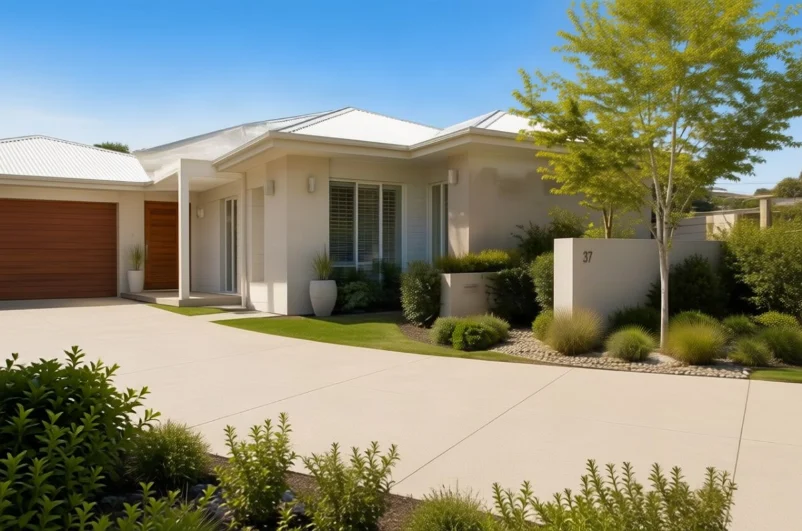
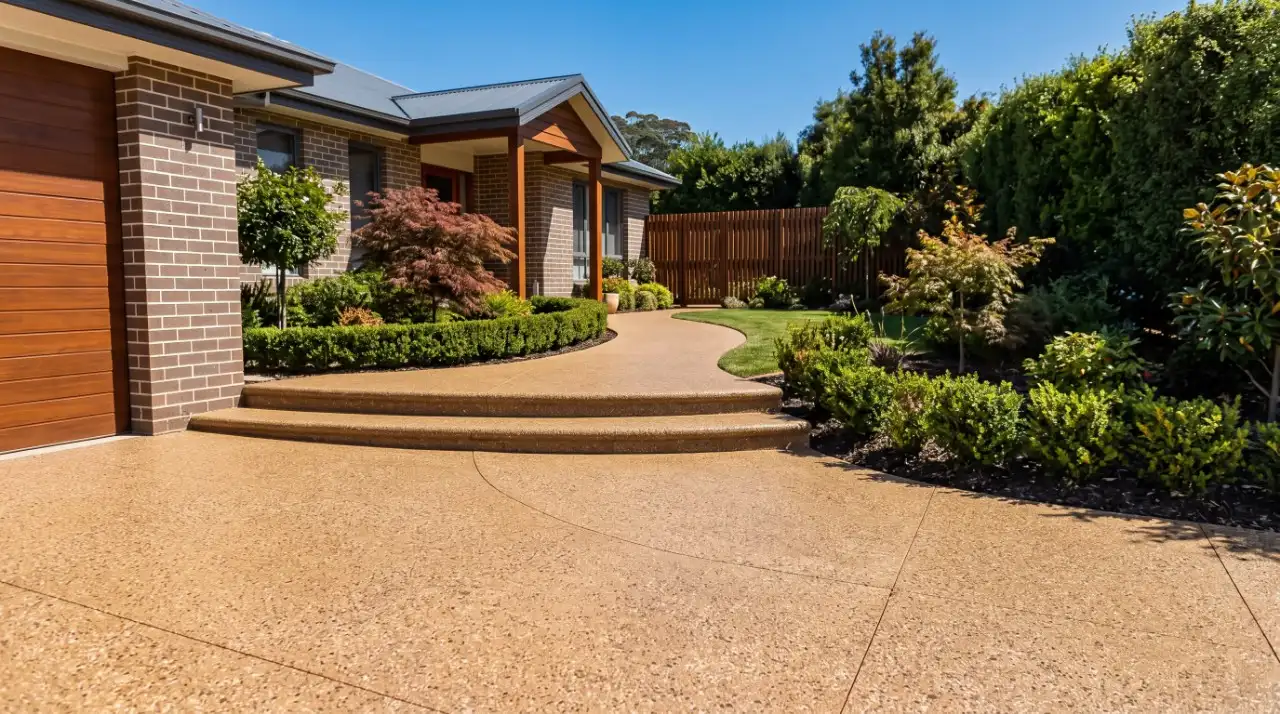
Plain, coloured or exposed aggregate, cut and sealed to take a car and a Tasmanian winter.
View service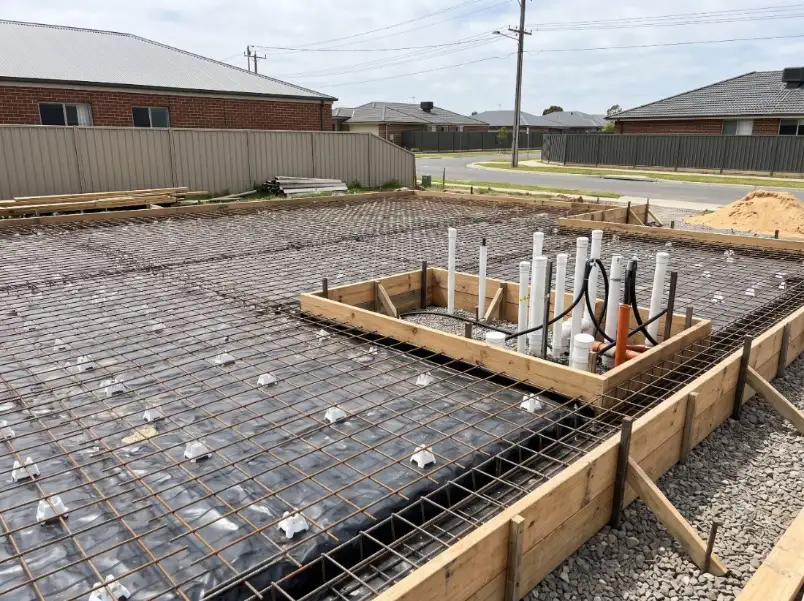
Set out, boxed, reinforced and poured to the engineer's detail, ready for the frame.
View service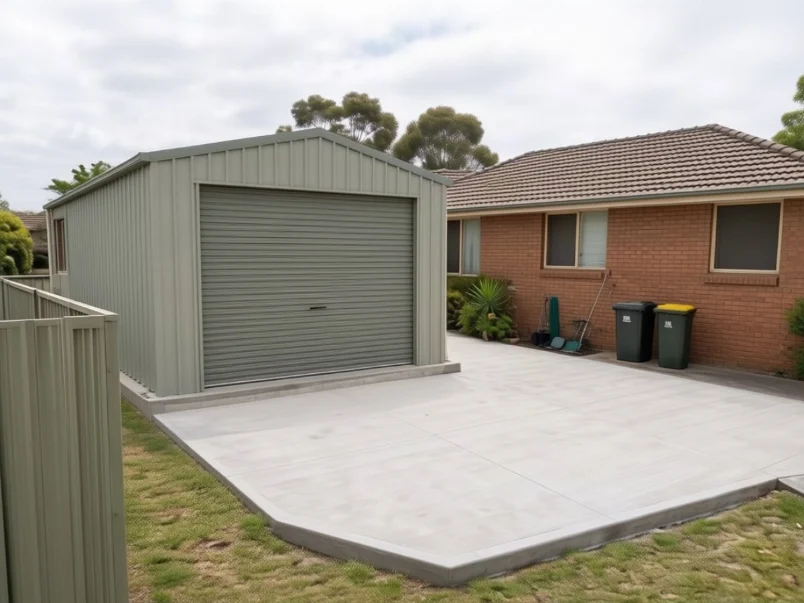
Thickened edges, fall to the door and a floor rated for the vehicle or shed going on it.
View service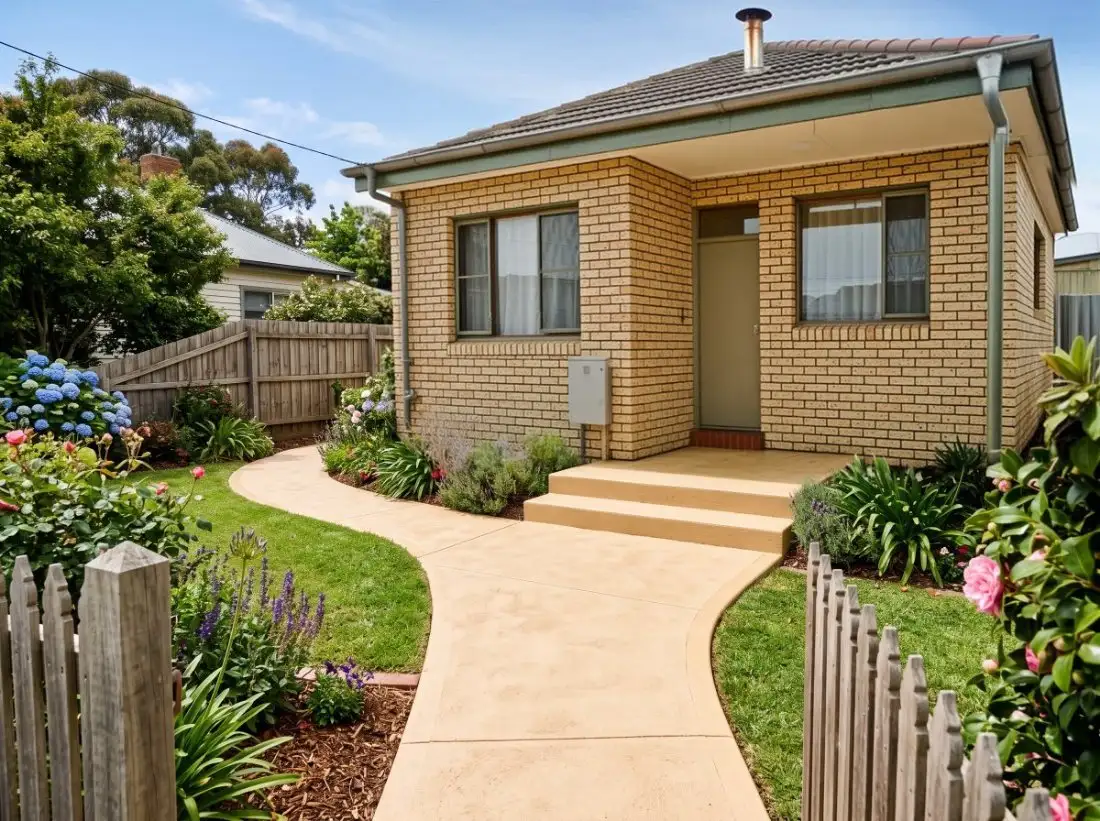
Access paths, entries and steps, finished to match the driveway rather than beside it.
View service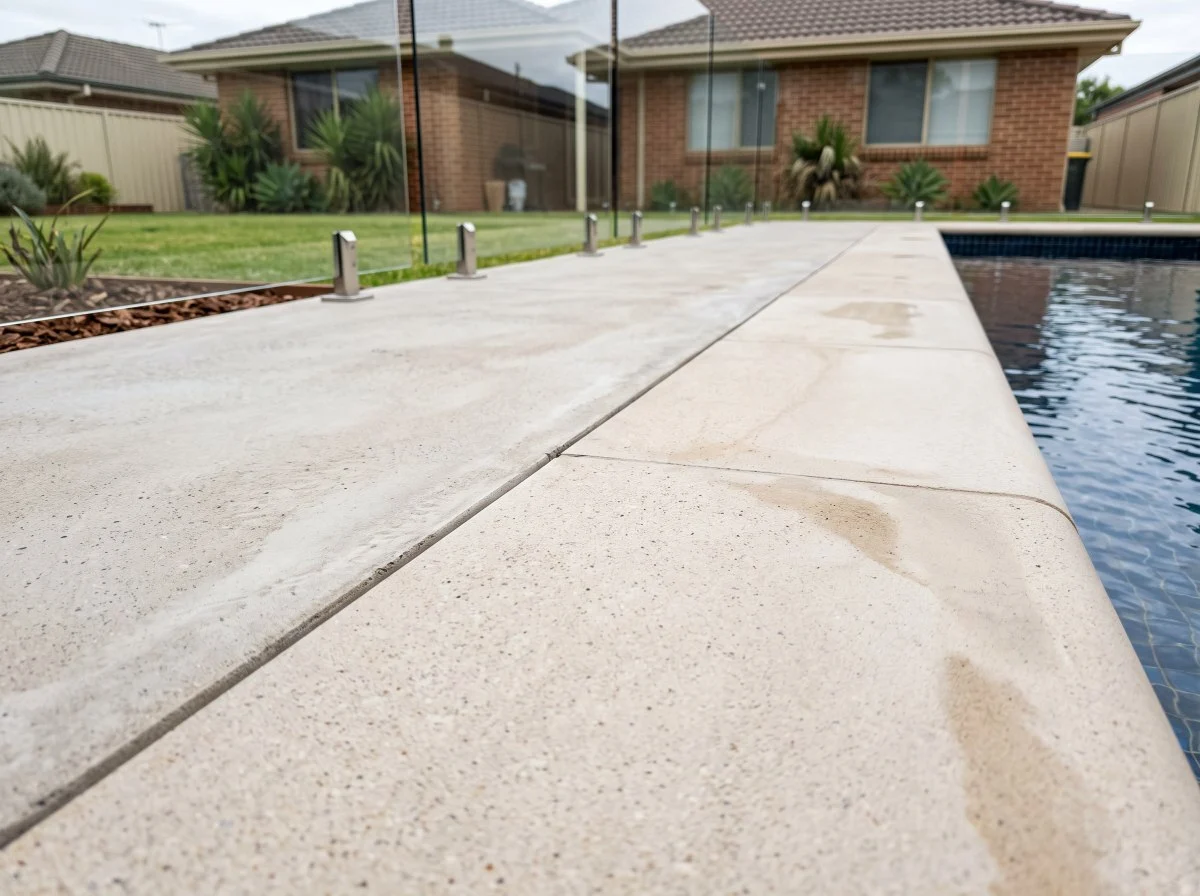
Non-slip, correctly graded and finished to sit flush with the coping.
View serviceNot sure which one you need? Call us on (03) 6724 3698 and we will work it out.
Four Finishes, One Slab.
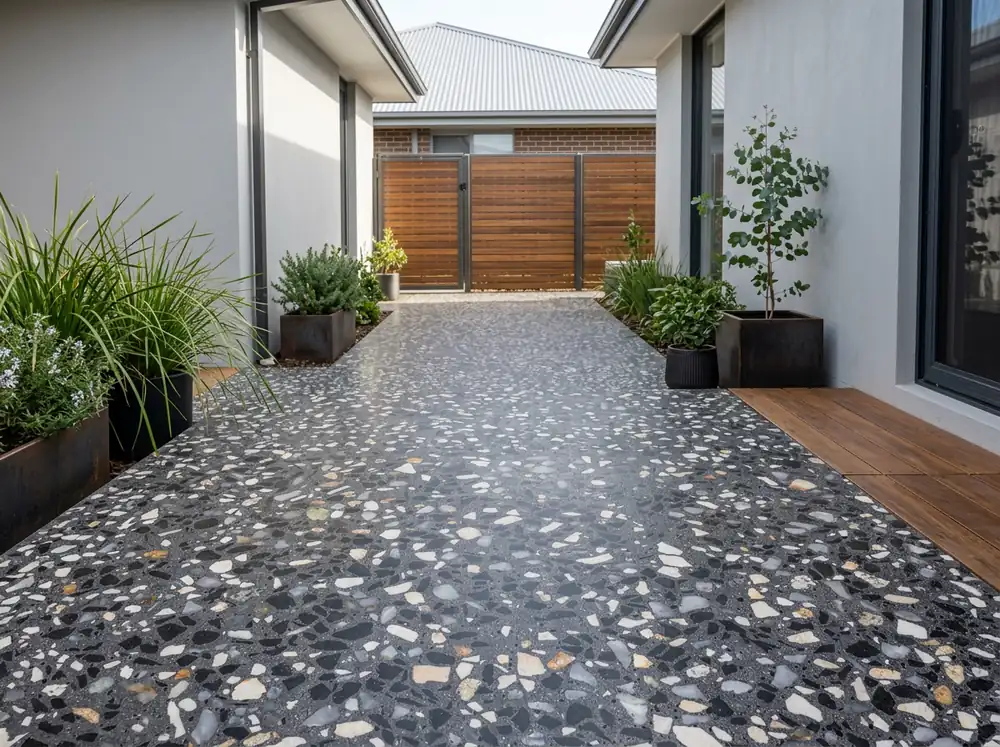
Most people pick a finish from a phone photo and hope. It is worth ten minutes more than that: an exposed aggregate hides tyre marks a plain broom will show for years, a honed floor is calm underfoot where a polished one throws light around, and colour through the mix outlasts anything painted on afterwards. Tell us how the space gets used and we will tell you which of the four actually suits it.
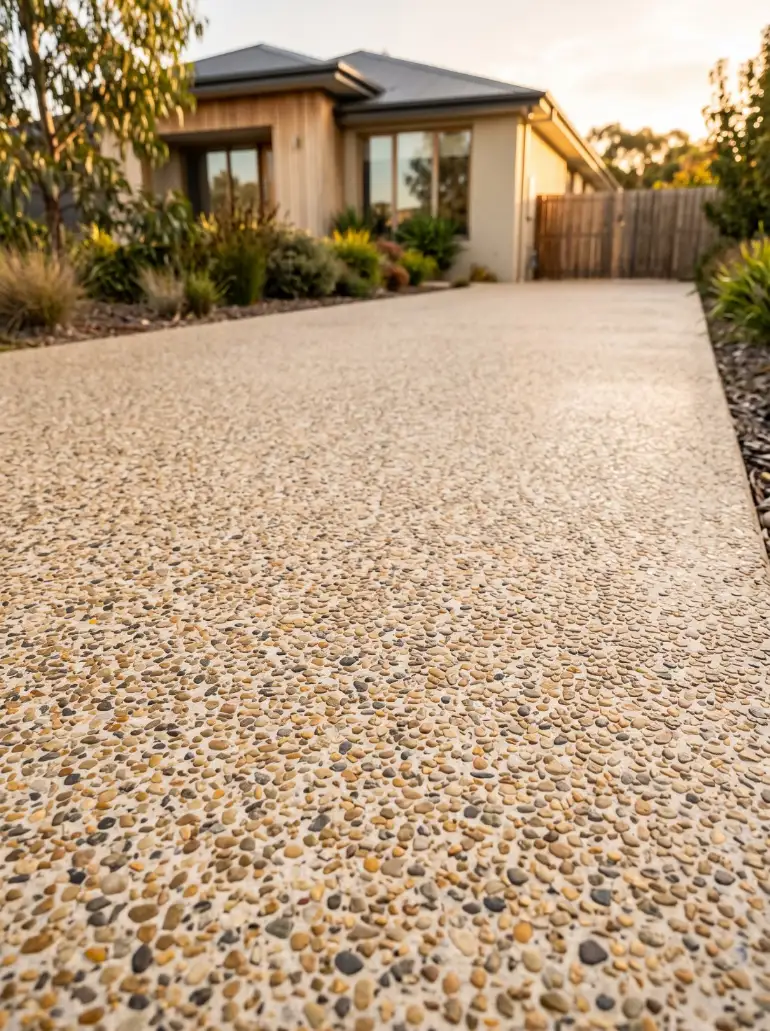
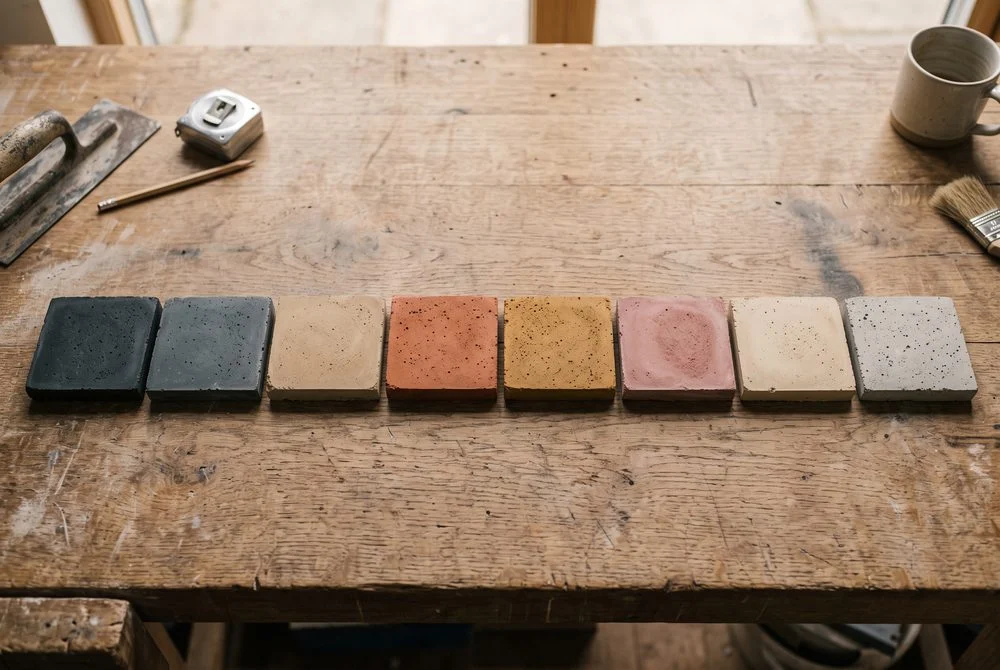
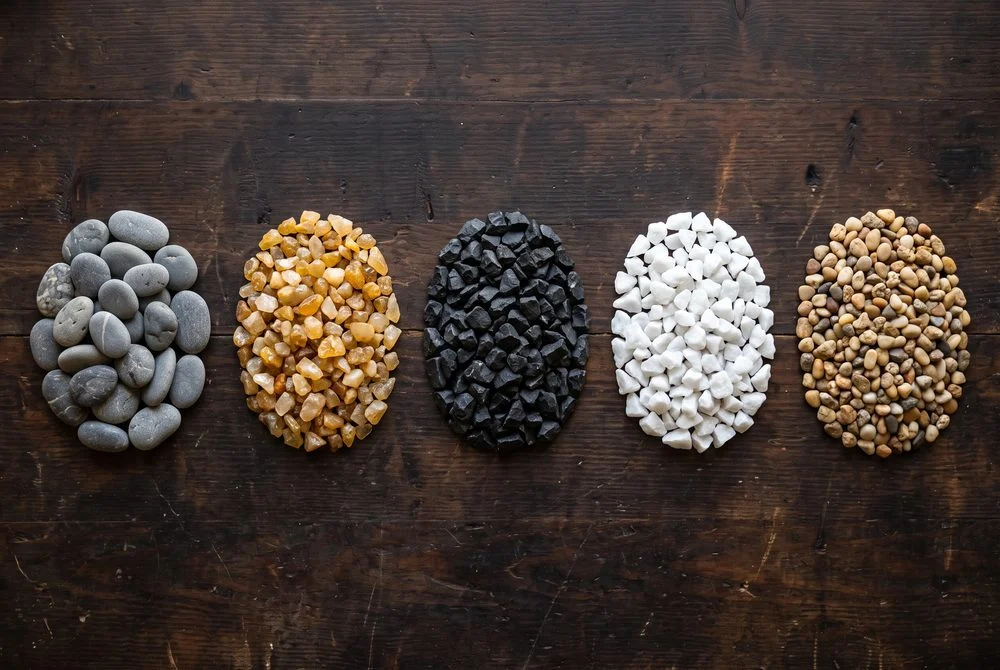
Washed back to reveal the stone. Hides marks, adds grip, lifts a plain frontage.
View finish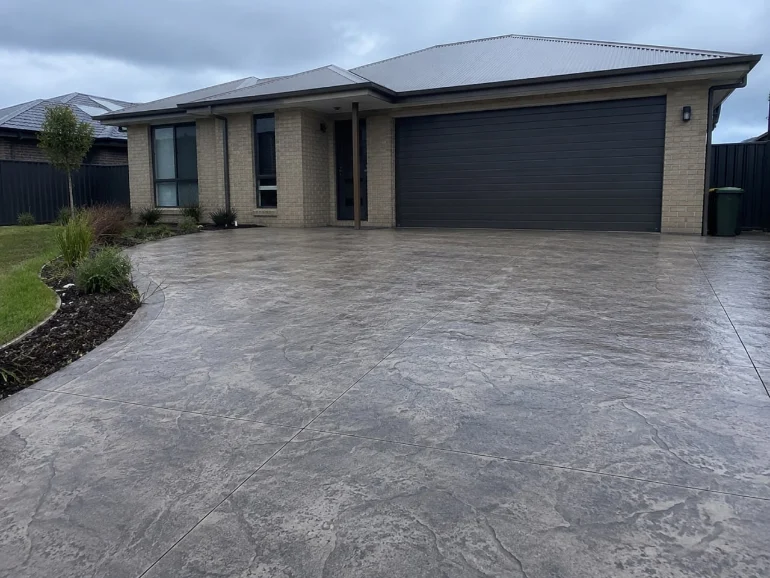
Stamped with a stone texture and colour-hardened while it is still wet, so the slab carries the pattern rather than wearing it.
View finish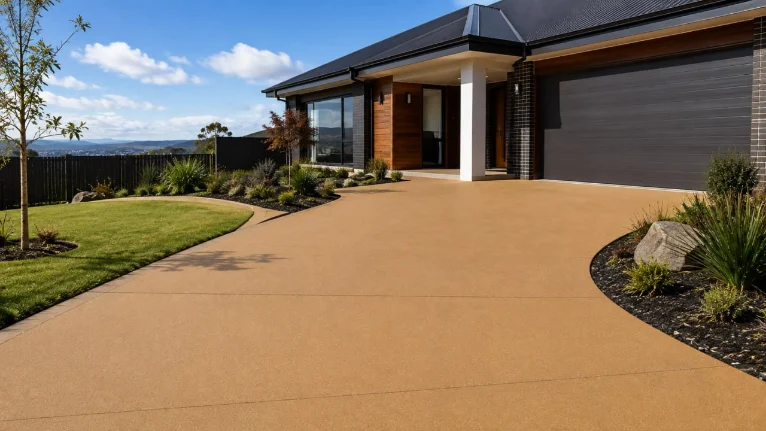
Oxide through the mix rather than on top, so it wears in instead of off.
View finish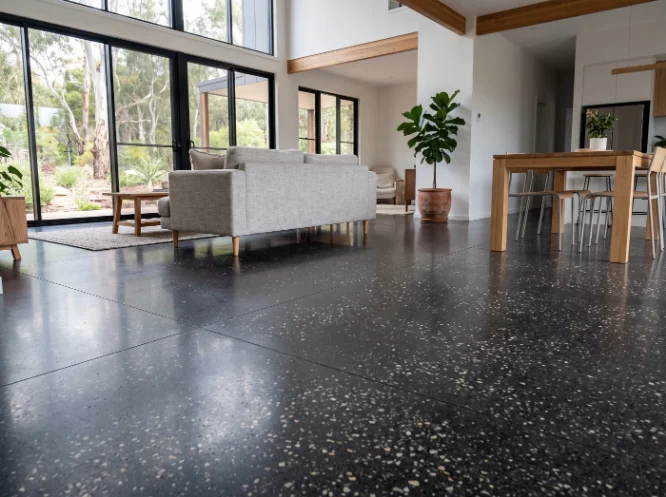
Ground fine until it reflects. An interior floor finish, not a driveway one.
View finishBefore you choose, have a look at the range
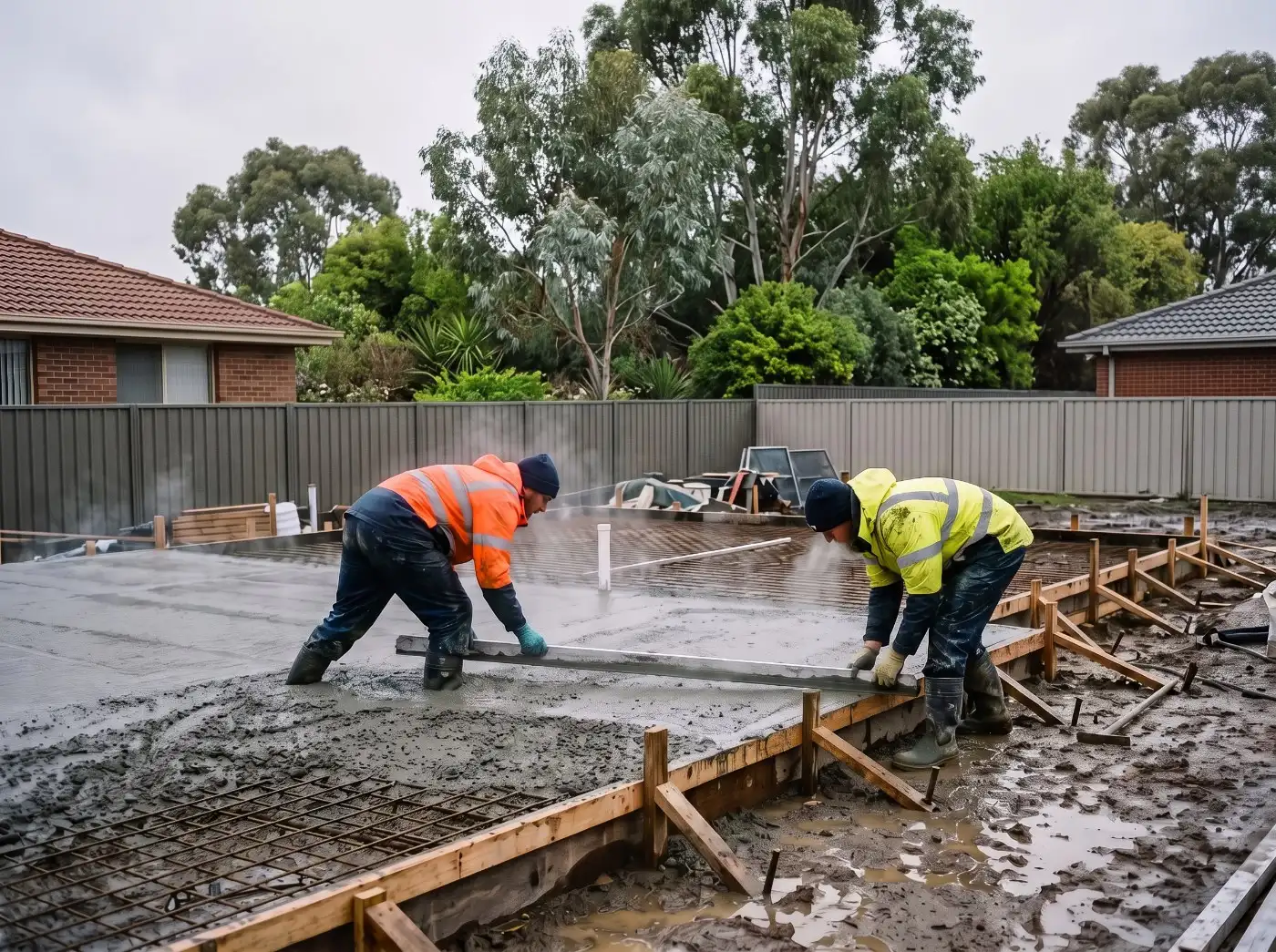
The same slab gets built differently here than it would on the Mainland. Three local conditions are the reason.

Concrete gains strength slowly below about ten degrees, and northern Tasmania spends a good part of the year there. Mix, timing and curing all change through winter, and a slab poured in July needs longer before it takes a car than the same slab in January.

A wet season finds every flat spot. Fall gets set at the measure and checked before the pour, because water that sits against a house or ponds on a driveway is a fault you live with for decades.

Some sites here sit on clay that moves with moisture. That drives footing depth and reinforcement, and it is the reason we look at the ground before quoting rather than pricing off a plan.
We come out, measure it and put one written number in front of you.
Four stages, in this order, on every job. You know who is coming and what happens next at each one.
We come out, measure the real thing, check the fall and the access, and talk about what you actually want to use the space for.
One number, itemised, with the preparation and the finish spelled out so you can compare it against anyone else's.
Excavation, base, compaction, formwork and steel. The unglamorous part that decides whether the rest holds.
Placed, screeded, floated and finished to the surface you chose, then cut and sealed.
Six things we do the same way on every job.
We have poured concrete in this region since 2011. Not landscaping with a concrete arm, not a builder who also does slabs.
You meet the people doing the work at the measure, and they are the ones on site.
Base preparation and compaction play the biggest part in how long a slab lasts, and they are where most corners get cut.
Control joints at the right depth and spacing, cut early, so shrinkage cracks form along the joints instead of across the slab.
One number, itemised. If something genuinely changes we tell you before it happens, not after.
We do not travel the state. Being local is why we can get back to a site quickly if something needs looking at.
Concrete contractors covering Launceston and the immediate surrounds.
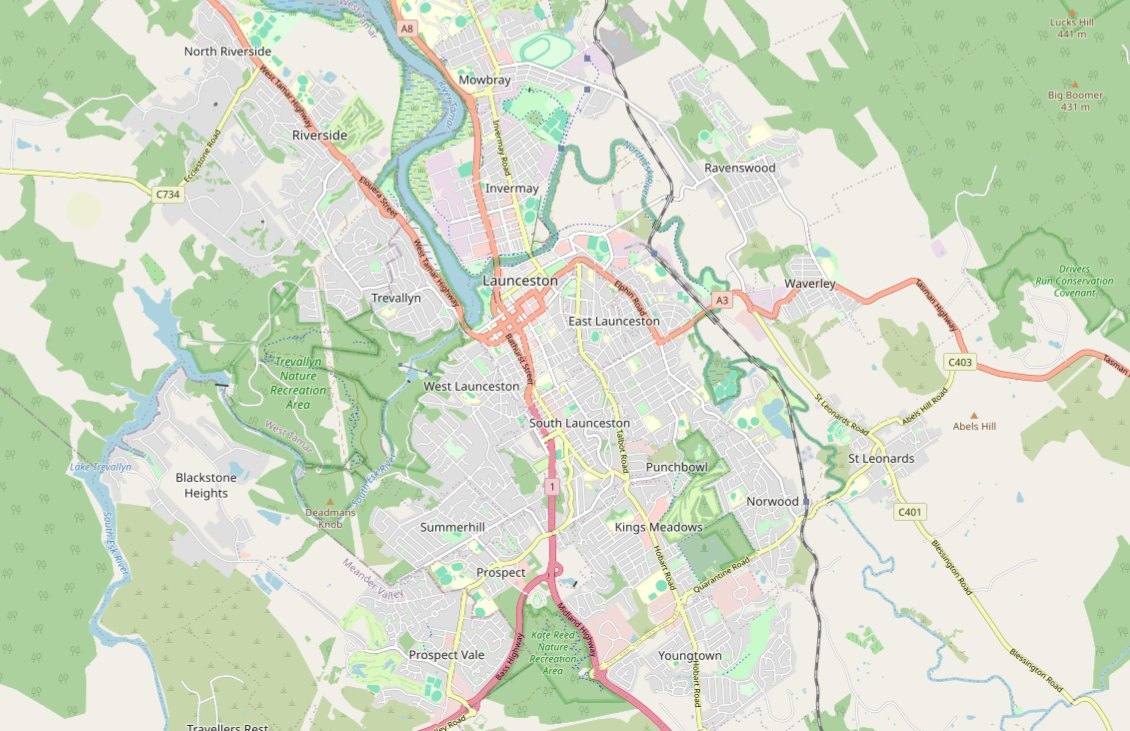
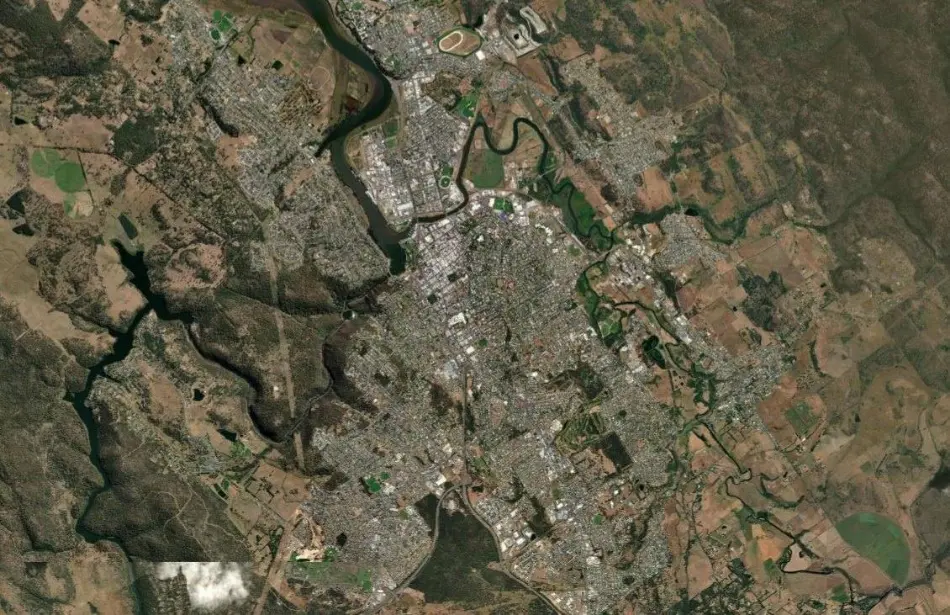
Launceston, northern Tasmania
© OpenStreetMap contributorsImagery © Esri, Maxar, Earthstar Geographics
Suburbs we work in
Also Invermay, Newnham, Summerhill, Waverley, Ravenswood, Rocherlea, Mayfield, Punchbowl, Blackstone Heights, Legana, Relbia, Hadspen and Prospect Vale.
The things people ask us before they book a measure.
Most driveways run $60 to $150 per square metre installed, which puts a single driveway around $1,800 to $5,200 and a double around $3,000 to $10,500. The rate is only the start though, because the price is set by what is under the concrete rather than the concrete itself. Excavation depth, base material, reinforcement, access for the truck and the finish you choose all move it. We measure on site and give you one fixed written number. Rates for every other service are on the concreting services page.
| Driveway | Typical Installed Price |
|---|---|
| Per square metre | $60 to $150 |
| Single driveway | $1,800 to $5,200 |
| Double driveway | $3,000 to $10,500 |
You can walk on it after about a day, and drive a car on it after about seven days. Allow longer through a cold Launceston week, because concrete gains strength slowly below ten degrees. Full design strength is twenty-eight days, and heavy vehicles should wait for it.
Usually not for replacing an existing driveway on your own land. You will need approval from the City of Launceston for a new crossover where the driveway meets the road, and for work affecting stormwater or a boundary. We tell you which applies before we quote.
Exposed aggregate is the same concrete with the top layer of cement washed off, revealing the stone in the mix. It costs more, grips better underfoot, and hides marks and staining far better than a plain broom finish. Plain concrete is cheaper and quieter under tyres.
Almost certainly, somewhere, because concrete shrinks as it cures. The job of a concreter is to decide where. Control joints cut at the correct depth and spacing give the slab a line to crack along. Uncut or badly spaced slabs crack across the middle instead.
We work across Launceston and the immediate surrounds, the twelve suburbs listed above plus the smaller localities around them. We are deliberately a Launceston contractor rather than a statewide one, which is why we can get to a site quickly when something needs looking at.
Straight answers to the questions we get asked on site, from what a driveway costs to whether it needs sealing.
 01Sealing and Cleaning·7 min read
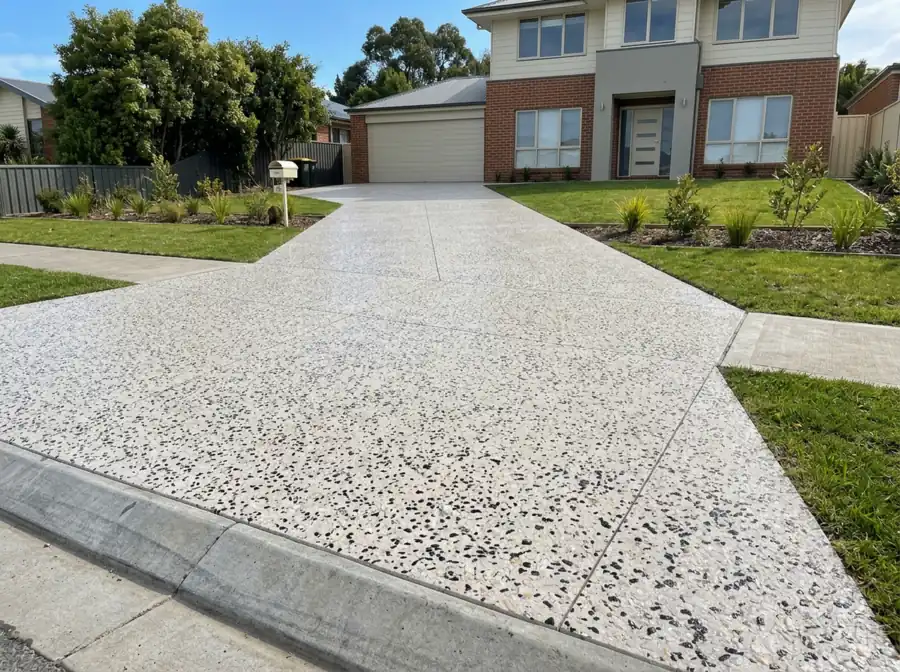 02Driveways·7 min read
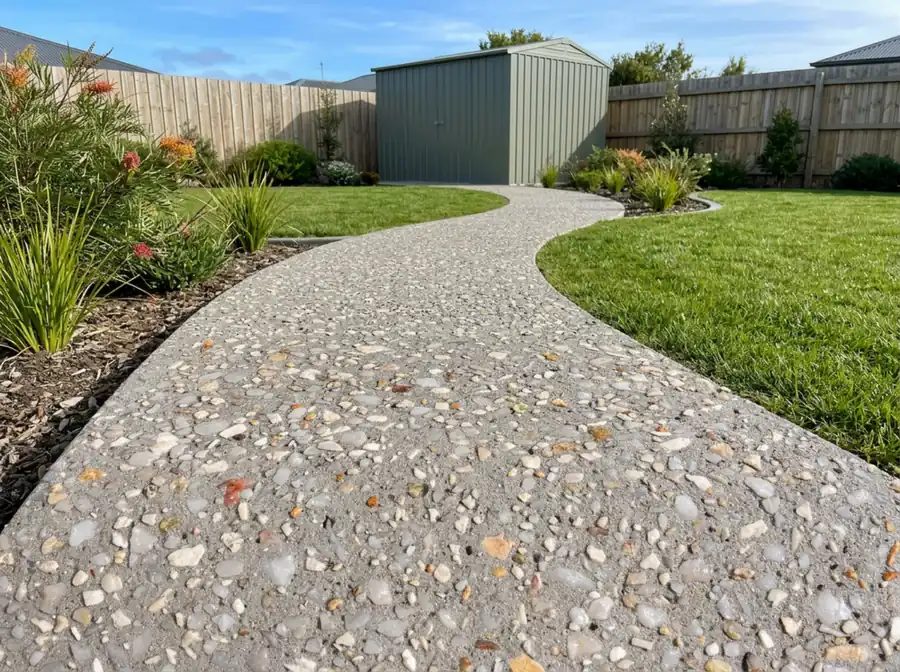 03Doing It Yourself·8 min read
One call and we come out, measure the real thing and put a price in writing. It costs nothing and there is no salesman in it.
One call. We measure it and put a fixed price in writing. Costs nothing.
Would rather type it out? Send the details instead