
Measured and Quoted on Site
Not off a photo. We come out, look at the ground and the access, and price the actual job.
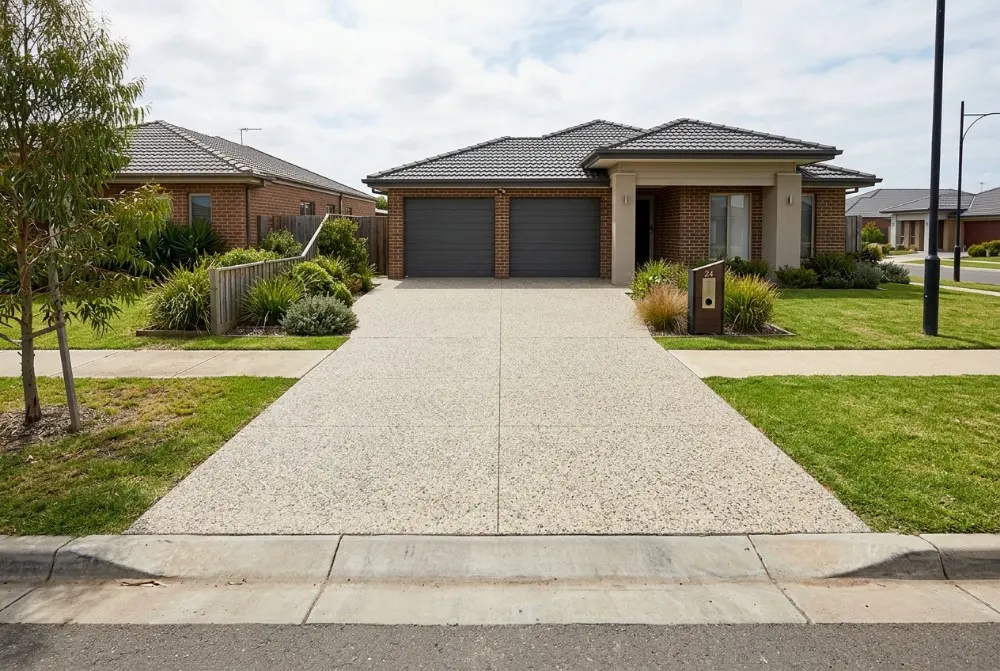
Exposed aggregate is the most-asked-for finish in Launceston and in the country, and for good reason: it grips when it is wet, it hides everything a plain slab shows, and the stone in it is a choice rather than an accident.
Not off a photo. We come out, look at the ground and the access, and price the actual job.
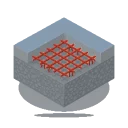
Excavation, a compacted base and reinforcement to spec, the half that decides how long it lasts.

One written price for the whole job, not a rate per square metre, and the site is left clean.
It is not a coating, a topping or a treatment. It is ordinary structural concrete with the surface paste removed while it is still green, so the stone that was always in the mix ends up on top.
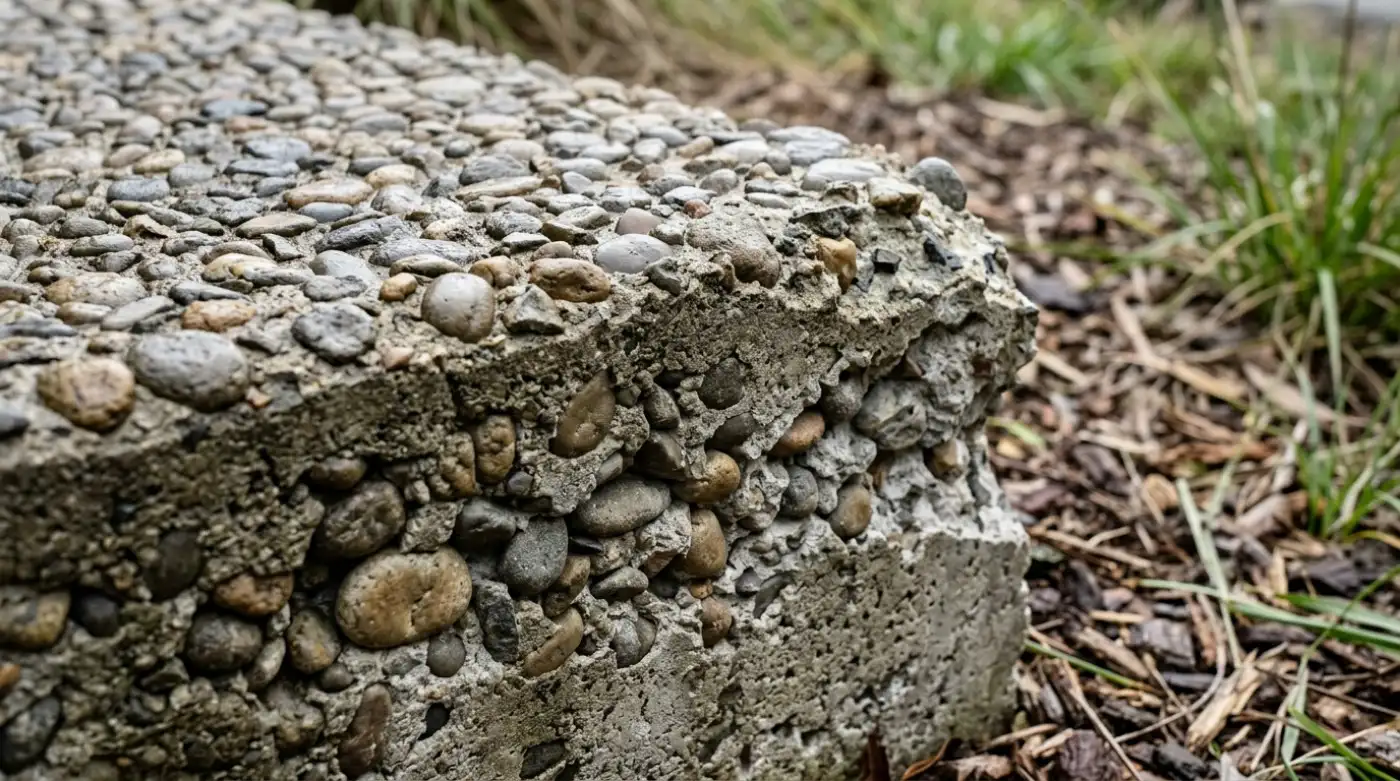
Every concrete mix is stone bound in cement. On a plain slab you never see it. Here the top two or three millimetres of paste is washed away and the aggregate becomes the surface.
There is nothing on top to wear through, because nothing was added. The finish is the slab, so it lasts as long as the slab does.
The stone comes in the truck. Which one you pick is decided at the quote, not on the day, because it has to be ordered in the mix.
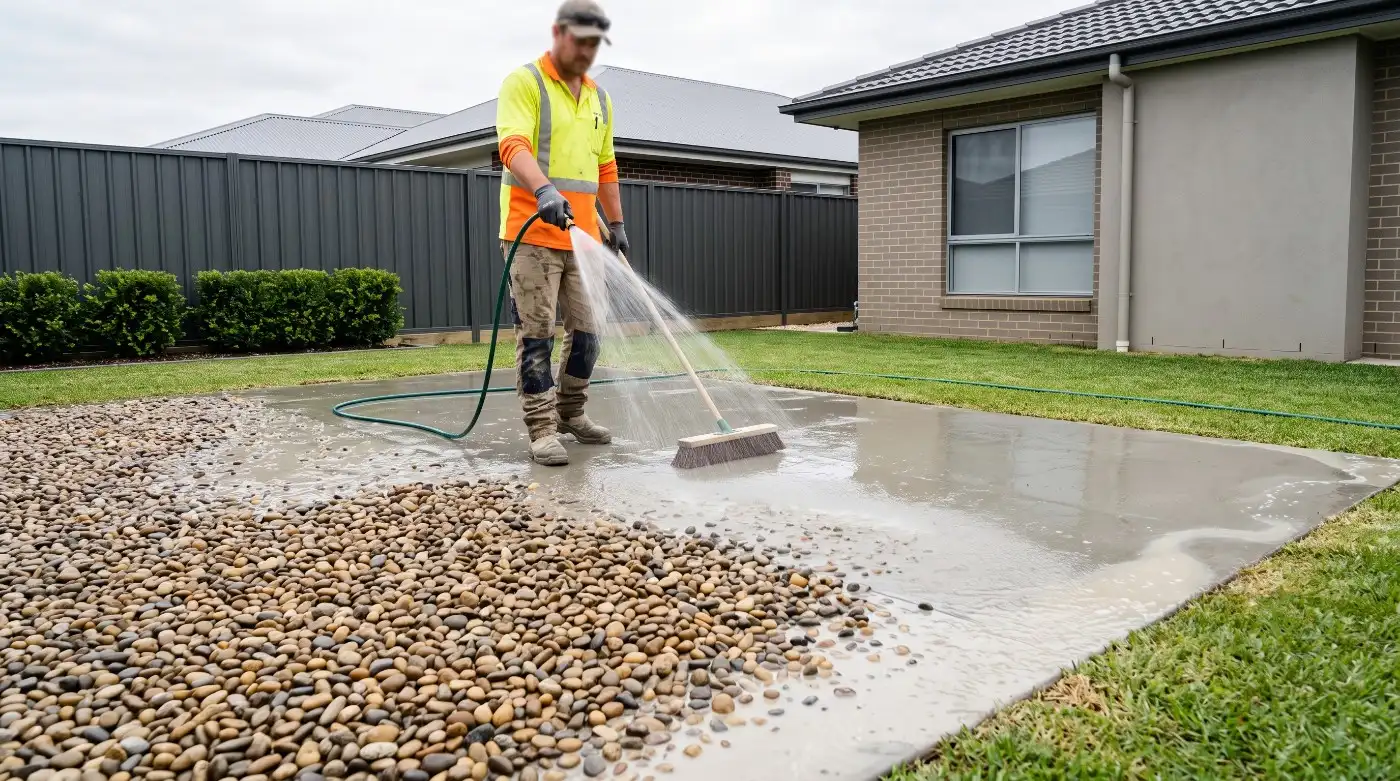
Washed too early and the stone falls out. Too late and it will not come off at all. It is the part of the job that has a window rather than a method.
The stone decides the colour, the grip and how much it hides. These are the blends asked for most often here, and every one of them is a real mix you can order.
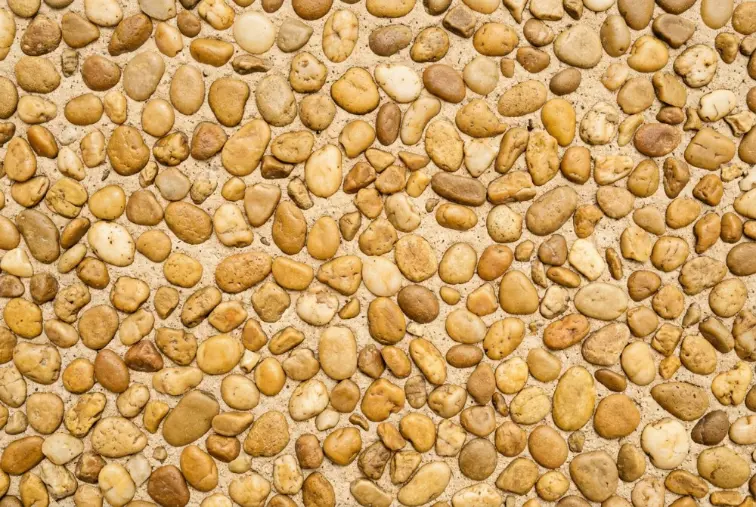
Warm golden pebble, the most-chosen blend in the country. Hides leaf stain and tyre marks better than anything else on this page.
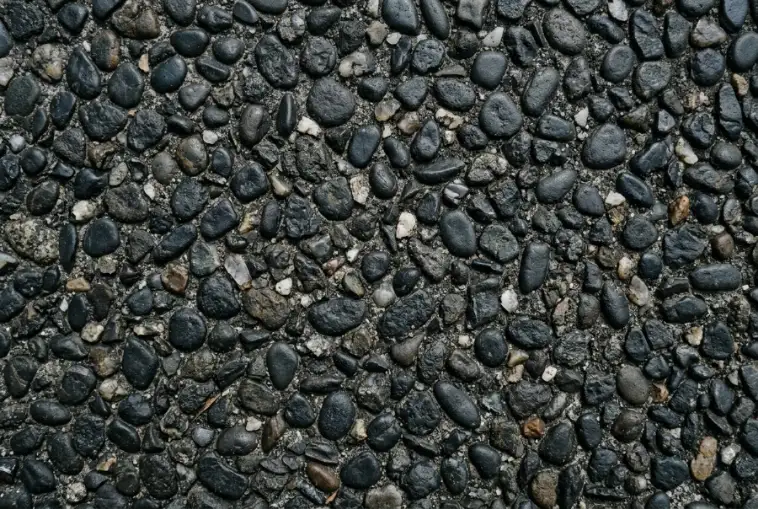
Dark river stone with a deep grey matrix. Sharp against a light rendered house, and it holds heat, so keep it out of a bare-foot area.
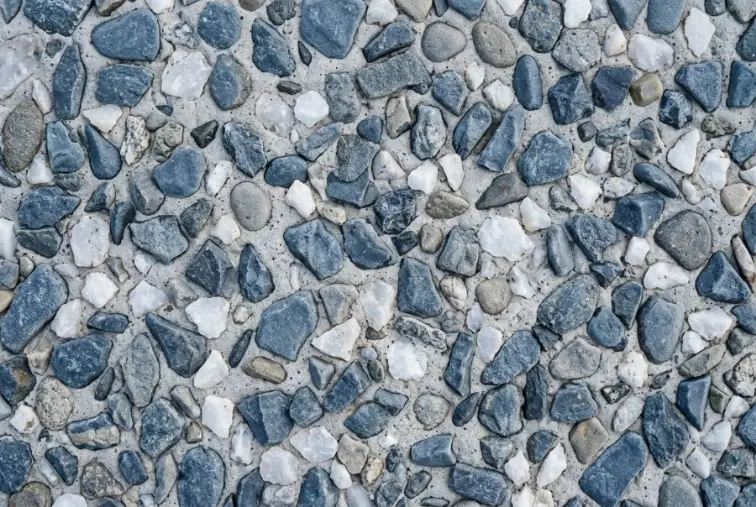
Cool blue-grey with white quartz through it. Reads as considered rather than decorative, and it suits a modern facade.
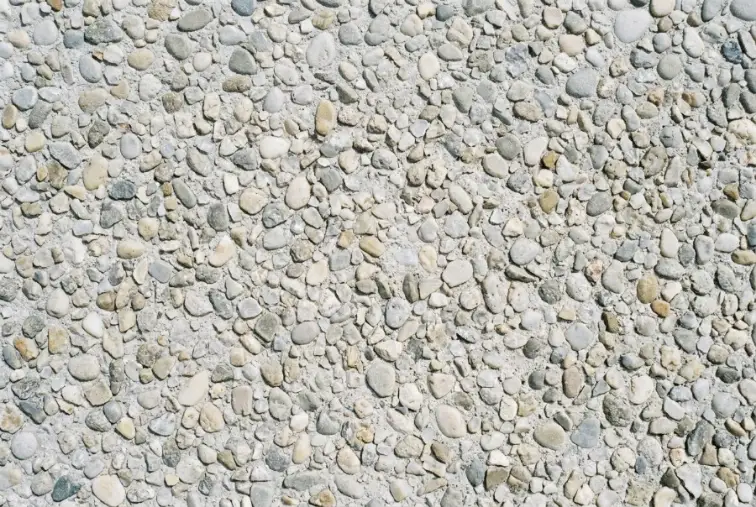
Pale stone with translucent quartz. The coolest underfoot of the six, which is why it turns up around pools.
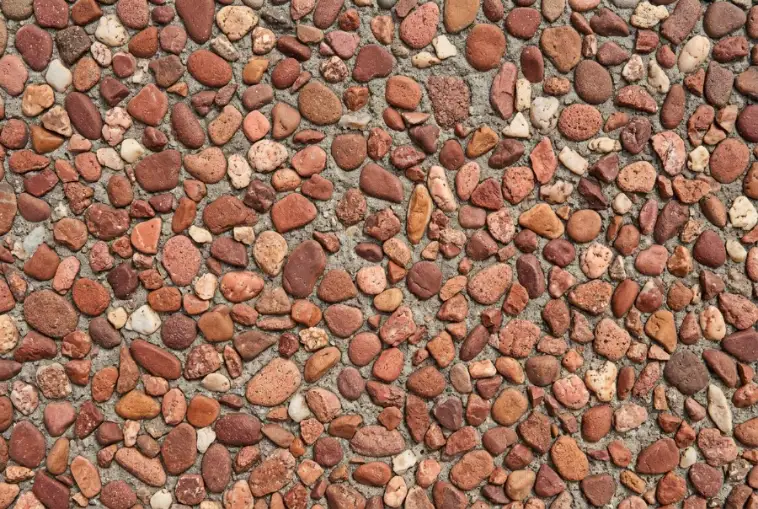
Terracotta and russet stone with cream flecks. Warm and traditional, and it sits well against red brick.
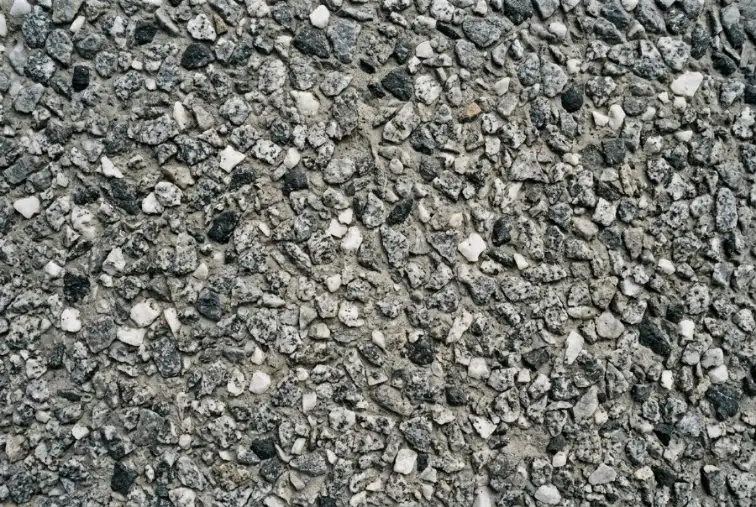
Finer speckled grey and black with white feldspar. Less pebble, more texture, and the most subtle of the six from a distance.
Ask at the measure and we will show you the real blends in daylight, because stone reads differently in a photo than it does on the ground.
The three finishes people actually decide between on an outdoor slab. Read across rather than down.
Tell us the area and where it sits, and we will price it in all three so you can compare properly.
Exposed aggregate is an outdoor finish. Inside, it is uncomfortable underfoot and impossible to keep clean, which is what polished concrete is for.
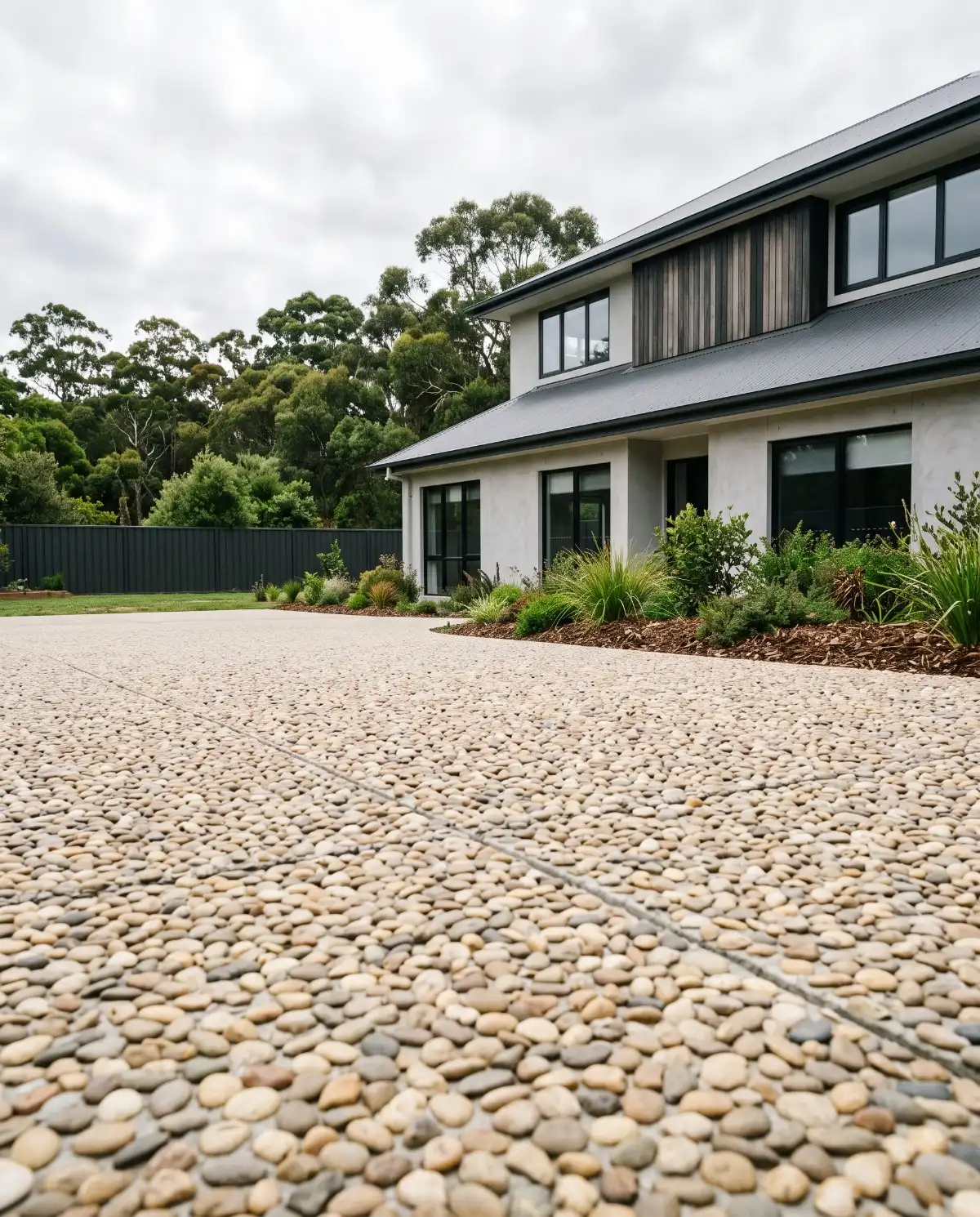
The biggest single area of concrete on most houses and the one that collects the most marks. An exposed aggregate driveway hides what a plain slab would show for years, which is why it is the most common use of this finish by a distance.
Comfortable underfoot, grippy in a Tasmanian winter, and it does not show the leaf stain that a narrow shaded path collects.
Cooler underfoot than a solid dark colour, and forgiving of spilled food and drink in a way a honed surface is not.
The safest surface around water, because the stone is proud of the cement and grips a wet foot. See our pool surrounds page for the rest of that job.
Grip where it matters most. A wet honed step is where people slip; a wet exposed aggregate step is not.
It is one pour, and the finish happens in a window of a few hours while the concrete is still green. Everything before that is the same as any other slab.
Levels, falls and the shape marked out, and the stone blend chosen so it can be ordered in the mix rather than decided on the day.
Out to depth, crushed rock in and compacted in layers. Exposed aggregate is structural concrete, so the base does the same work it always does.
Formwork to the line and the fall, mesh up on chairs in the top third, and expansion joints against anything the slab must not be tied to.
Placed, screeded and floated as normal. At this point it looks like an ordinary grey slab, because it is one.
The surface paste is washed off within the window, revealing the stone. Control joints cut early, then it is left to cure.
Exposed aggregate is the one finish that is genuinely fine left alone. Sealing is a choice about how it looks rather than a requirement.
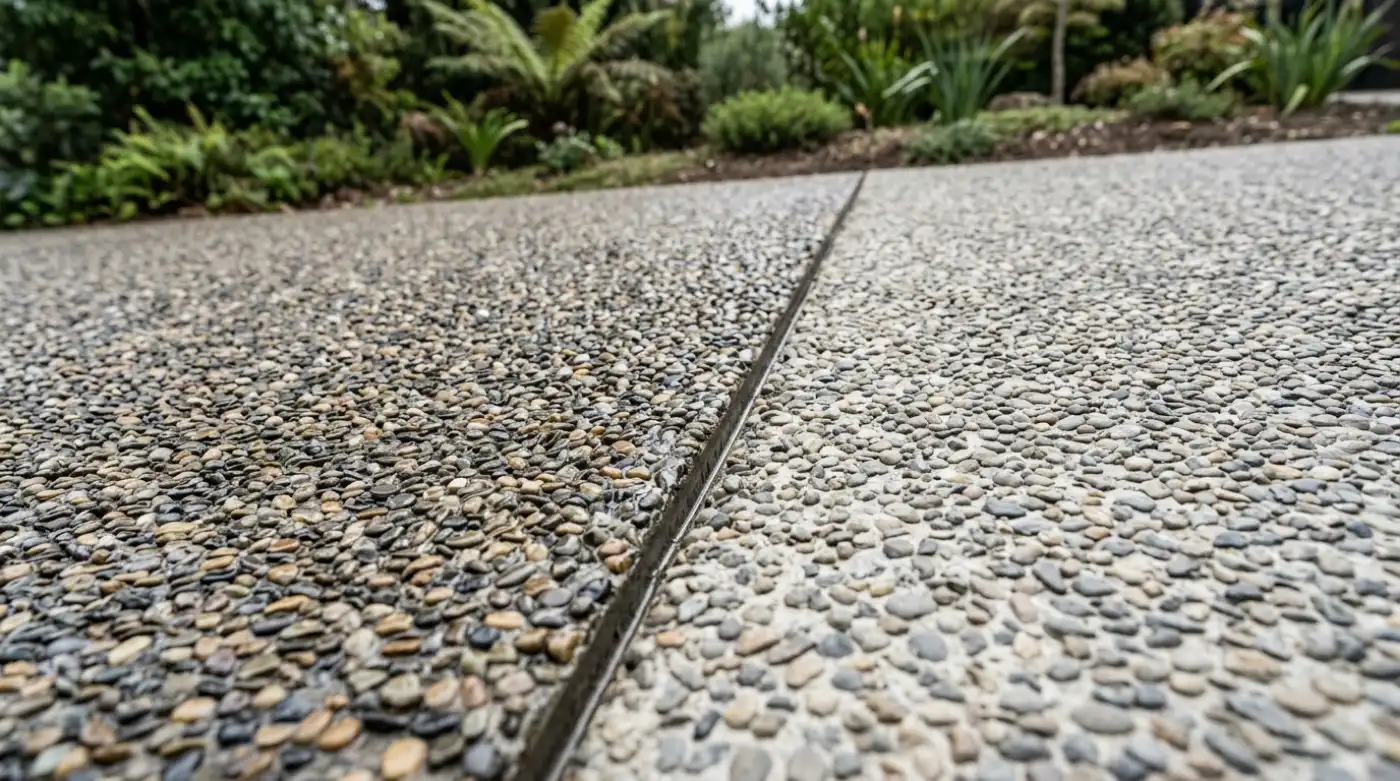
Ask at the measure and we will show you sealed and unsealed side by side before you decide.
Installed, per square metre. Exposed sits above plain concrete and below the honed and polished finishes.
Worked examples at real sizes, so you can see roughly where your job sits before you call. These are indicative ranges only. Final pricing depends on site conditions and finish requirements, which is what the free measure settles.
 Double Driveway, 60m², ExposedA real job we have priced32m² Single Driveway, Exposed32m² at our exposed aggregate rate25m² Path, Exposed25m² at our exposed aggregate rate
The rates above are the starting point. These are the things that move a job inside them, and they are the reason the firm number comes after a site visit.
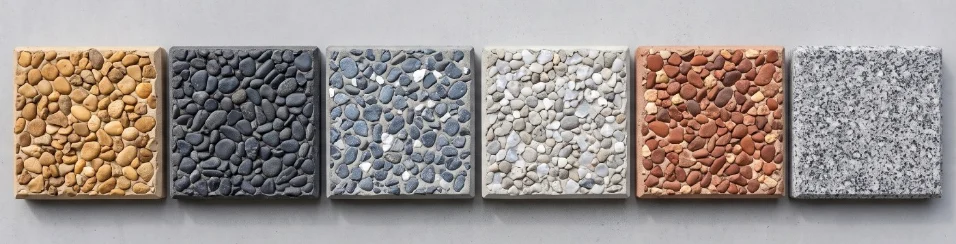
Honey, charcoal, bluestone, silver, coral and granite. The stone is chosen at the quote, because it has to be ordered in the mix.
Blends are not all the same price. A standard local pebble and an imported decorative stone are different lines on the invoice before anyone has poured anything.
Square metres set the bulk. Curves, returns and small awkward areas cost more per metre than an open run, because the boxing takes longer than the pour.
An old slab has to come out and go somewhere. Breaking out, carting and tipping is real money and it is the line most quotes leave vague.
If the concrete has to be pumped or barrowed instead of chuted straight off the truck, that is hours rather than minutes.
Soft or reactive ground needs more base, deeper edges or more steel. It is why we look at the site rather than pricing off a photo.
An optional line, and one worth deciding at the quote rather than after the pour.
Send the rough size and where it is, and tell us which blend caught your eye. We come out and measure it properly, free either way.
Would rather talk it through? (03) 6724 3698, or send the details through the contact page.
Plus the wider Launceston area.
It is ordinary structural concrete with the top few millimetres of cement paste washed off while it is still green, so the stone already in the mix becomes the surface. It is not a coating or a topping, which is why there is nothing to wear through.
It is the least slippery concrete finish we lay, because the stone sits proud of the cement and grips a wet foot. That is why it is the standard choice around pools and on steps, and why we recommend it ahead of honed anywhere out in the weather.
No. It is genuinely fine unsealed, and it is the lowest-maintenance outdoor finish we lay. Sealing deepens the colour and adds sheen, which some blends suit and others do not, and it wears, so it has to be redone every few years.
A hose and a stiff broom. No special product and no annual treatment. Oil drips want dealing with reasonably promptly, the way they would on any concrete.
The rates above are the starting point. What decides where inside them your job lands the stone you choose, what is there now and how the truck gets to it. It costs more than plain concrete because of the stone in the mix and the extra finishing step, and less than most alternatives to concrete. The measure and the written price are free.
No. It is the slab itself rather than something applied on top, so it has to be poured. If you have a sound slab you want to change the look of, resurfacing or a topping is the conversation to have instead.
One call and we come out, measure the real thing and put a price in writing. It costs nothing and there is no salesman in it.
One call. We measure it and put a fixed price in writing. Costs nothing.
Would rather type it out? Send the details instead